

Welcome to SPRING, families! WINTER has come and gone like that *insert finger snap*. First we want to extend prayers over families and staff who suffered from the fires in any way; and with that, we would like to thank everyone for banding together and surrounding one another in love.
Love is a great segway into our activities in February. We had lots of much-needed fun during the month of love with Valentine’s Day parties, teacher birthday celebrations, and snow days!
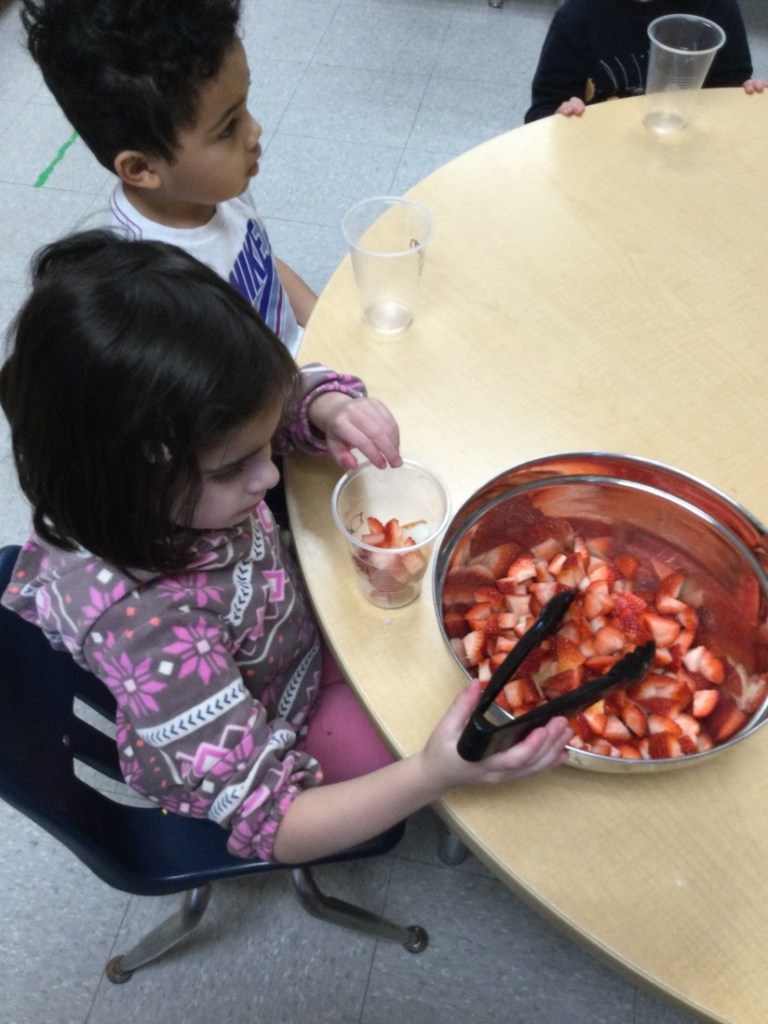
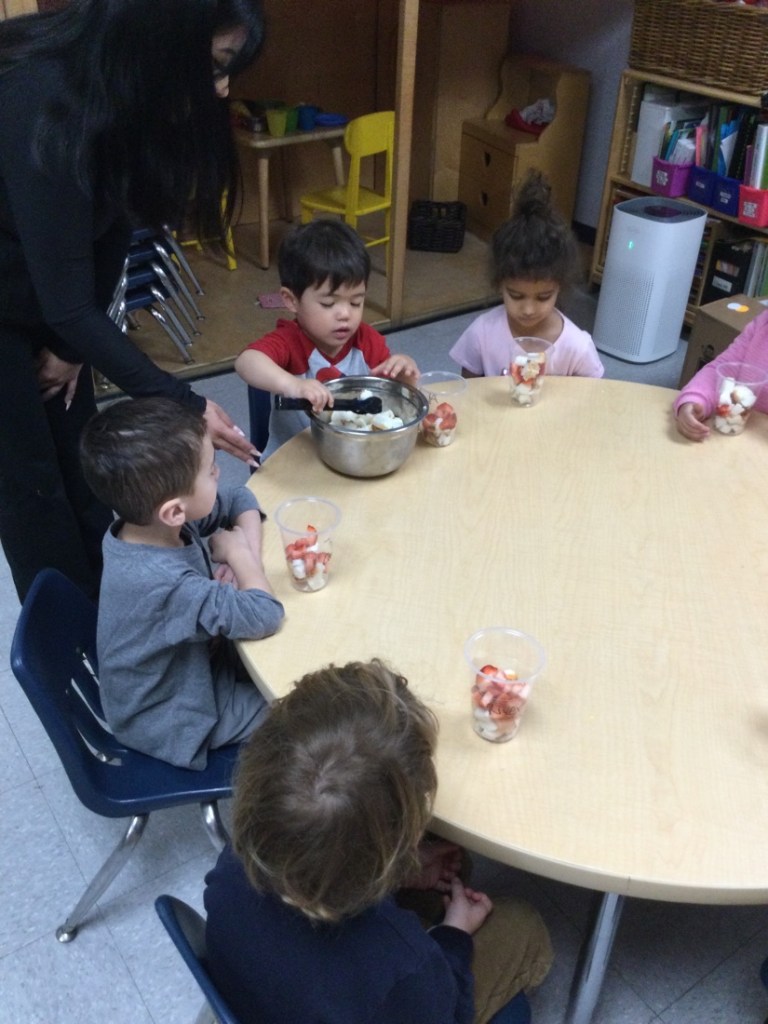
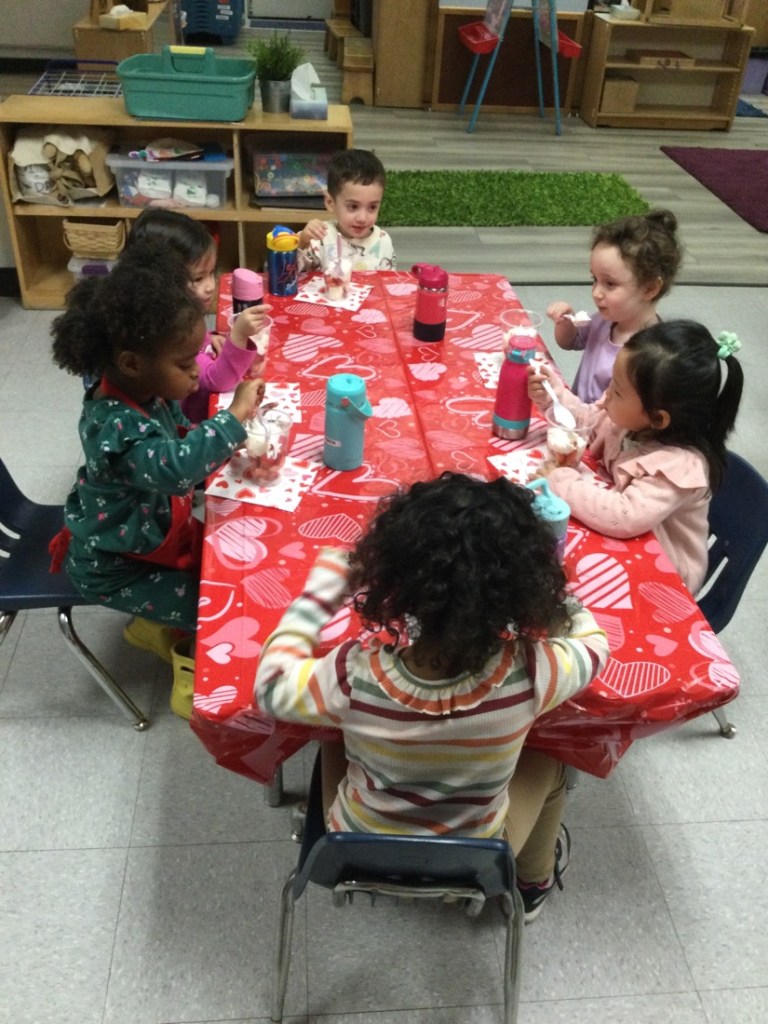
During the week of Valentine’s Day, we made strawberry parfaits with the room 3 students and had some help from parents who volunteered with prepping and with reading a story.
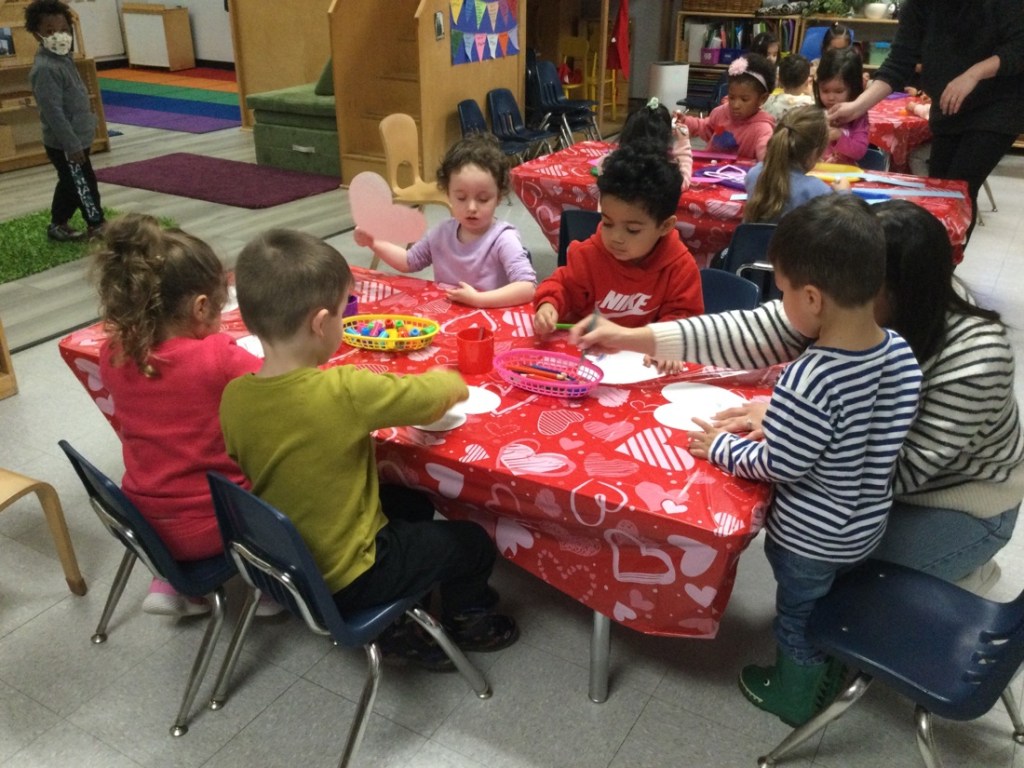
Parent volunteers and teachers also teamed up to make heart crowns with the children (art and fine motor) by gluing various sized heart pieces onto a band of paper and taping/stapling the ends together.

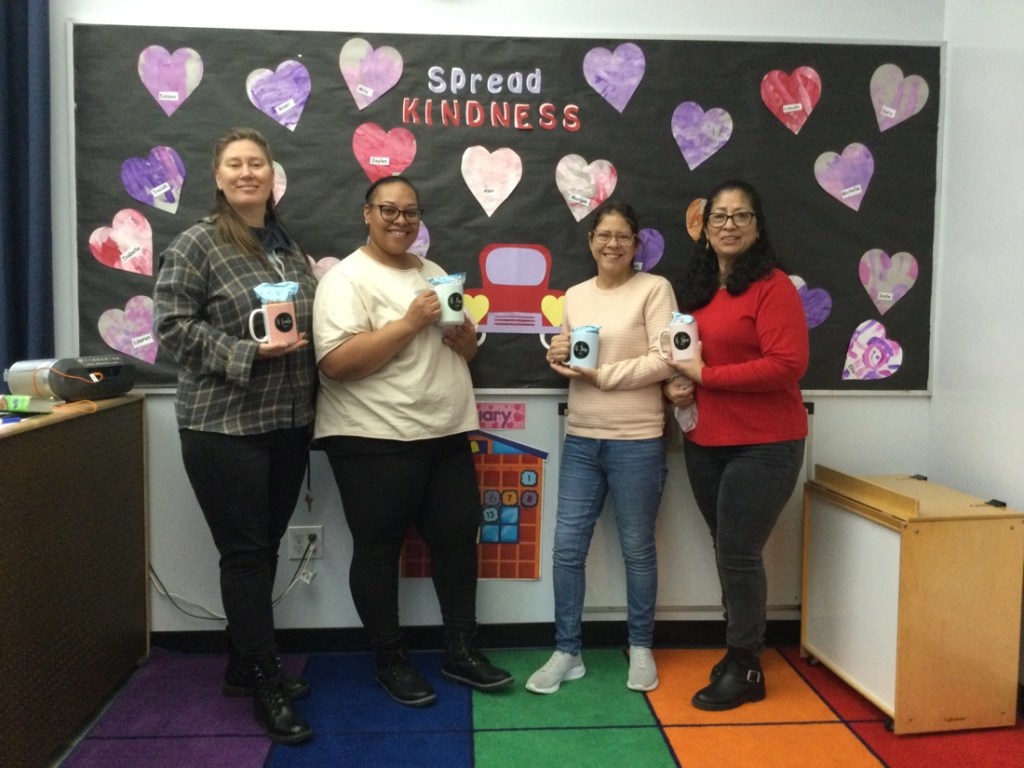
Room 3 families blessed us teachers with beautiful custom mugs (literally, with our names on them). This is a good time to thank each and every one of the families in room 3 for our beautiful gifts, we love them!
Lastly, we had SNOW DAYS! Building up to the actual snow days, we read books and sang songs about snowflakes and how to safely have a snowball fight (throw at the legs) so that no one would get hurt (Literature and Comprehension). On the snow days, the children (and even some teachers) enjoyed sled rides down our man-made slope. Meanwhile, others engaged in snowball fights, building snowmen, and making snow angels.


All in all, February was a time of togetherness and fun, which is a reminder that we are all one community under God. Bless you all!






















































 Pasadena Christian Preschool