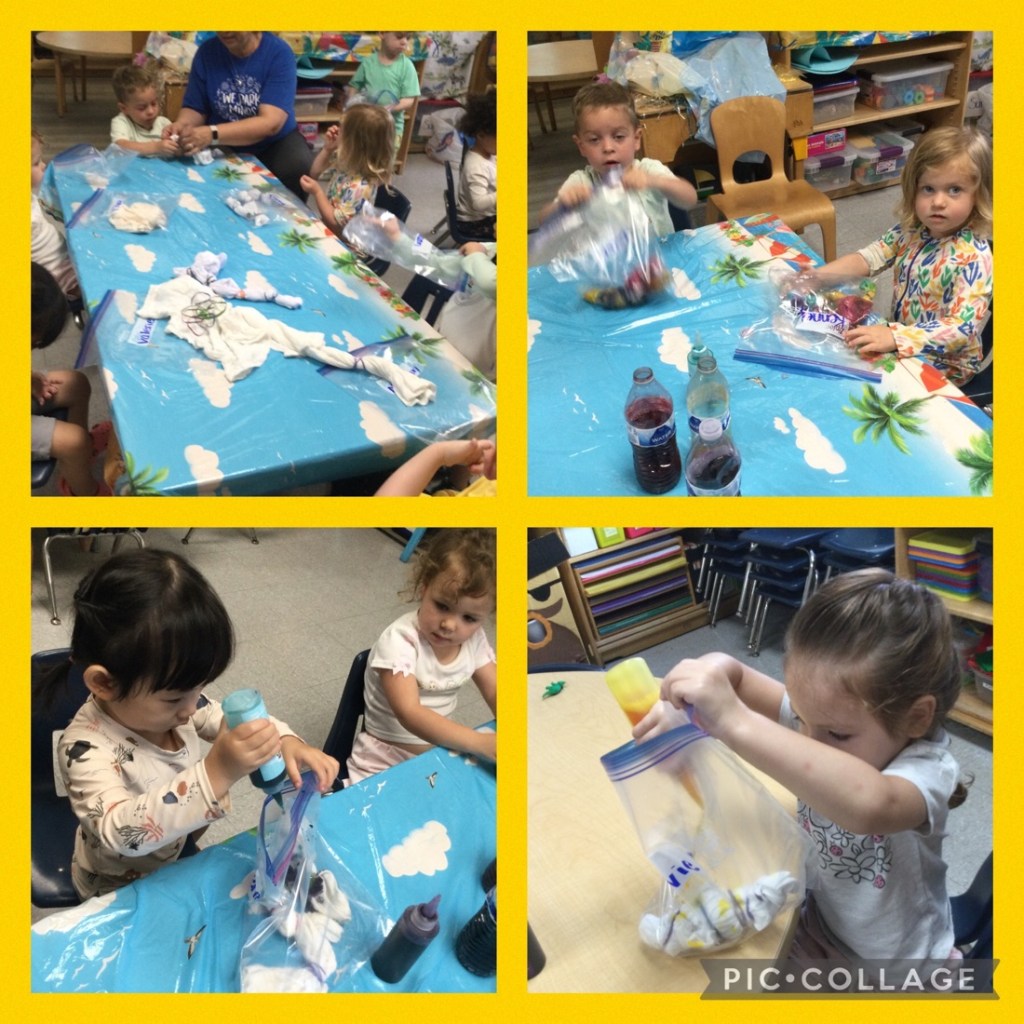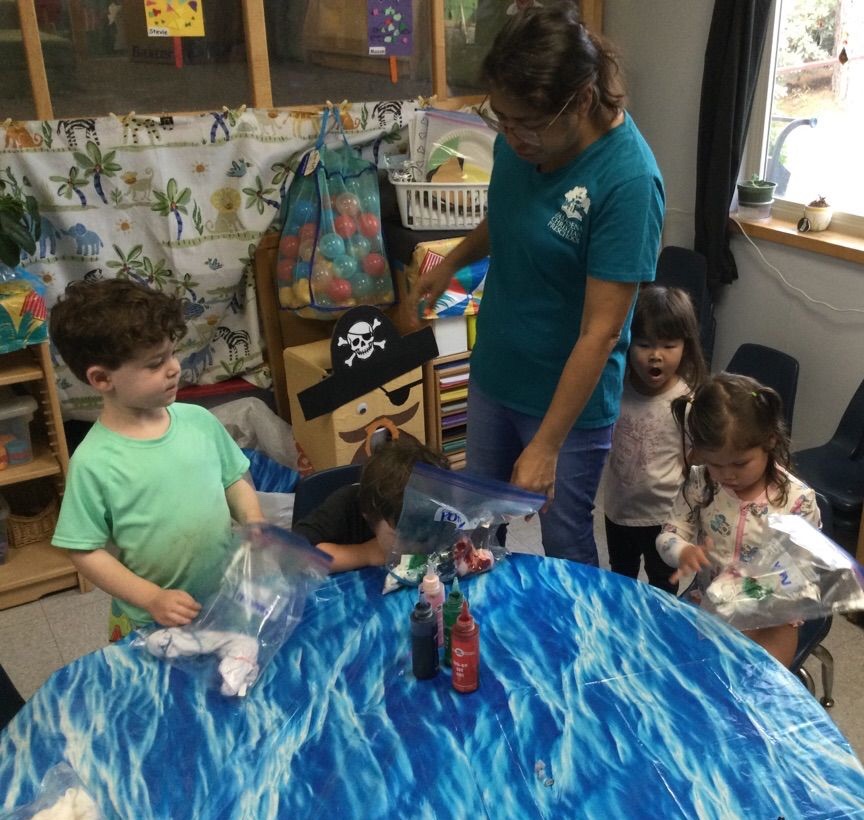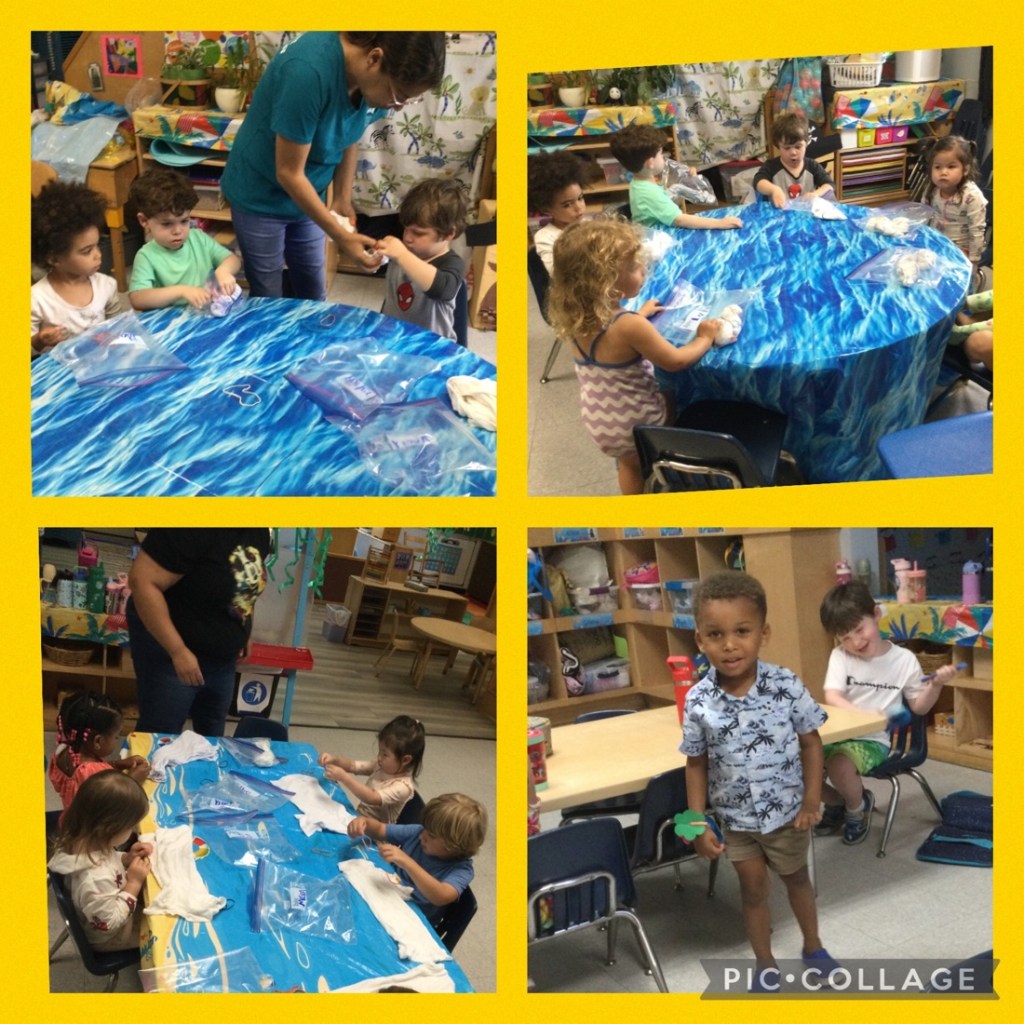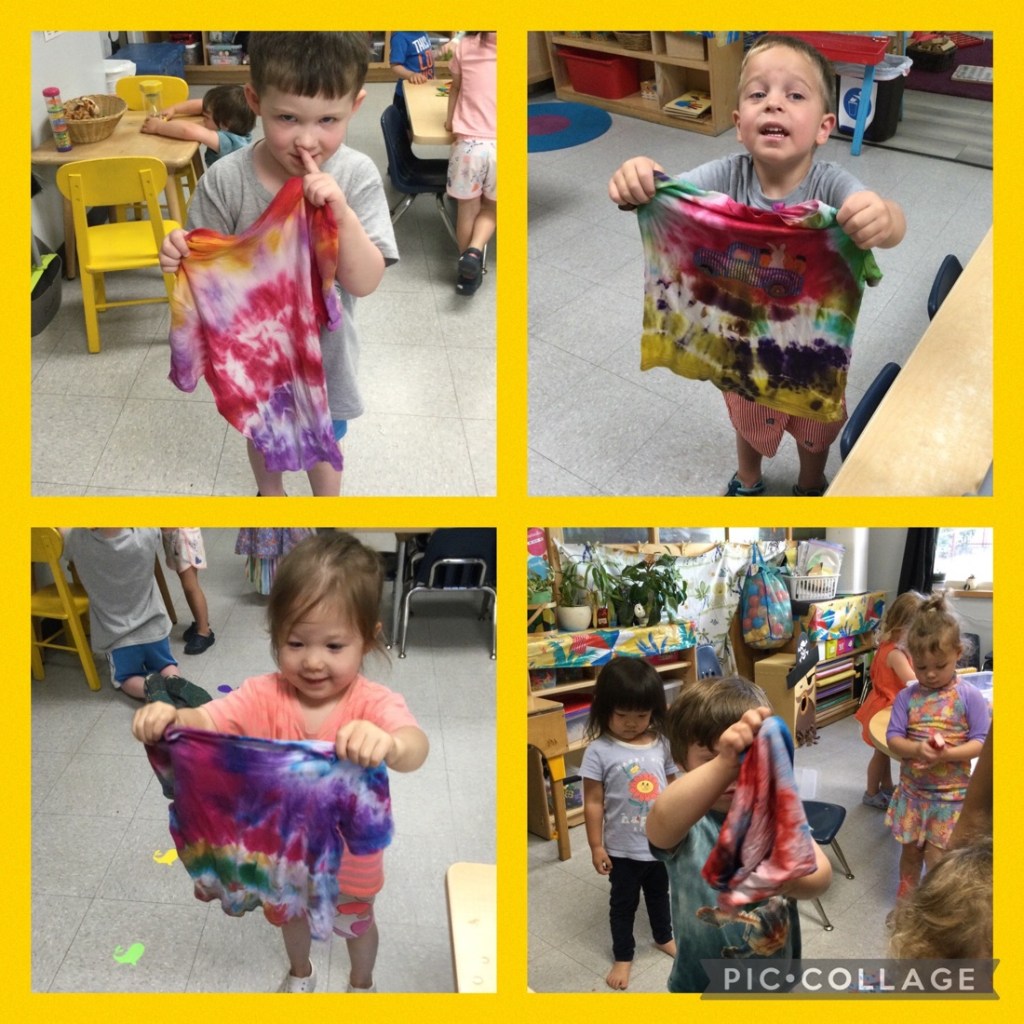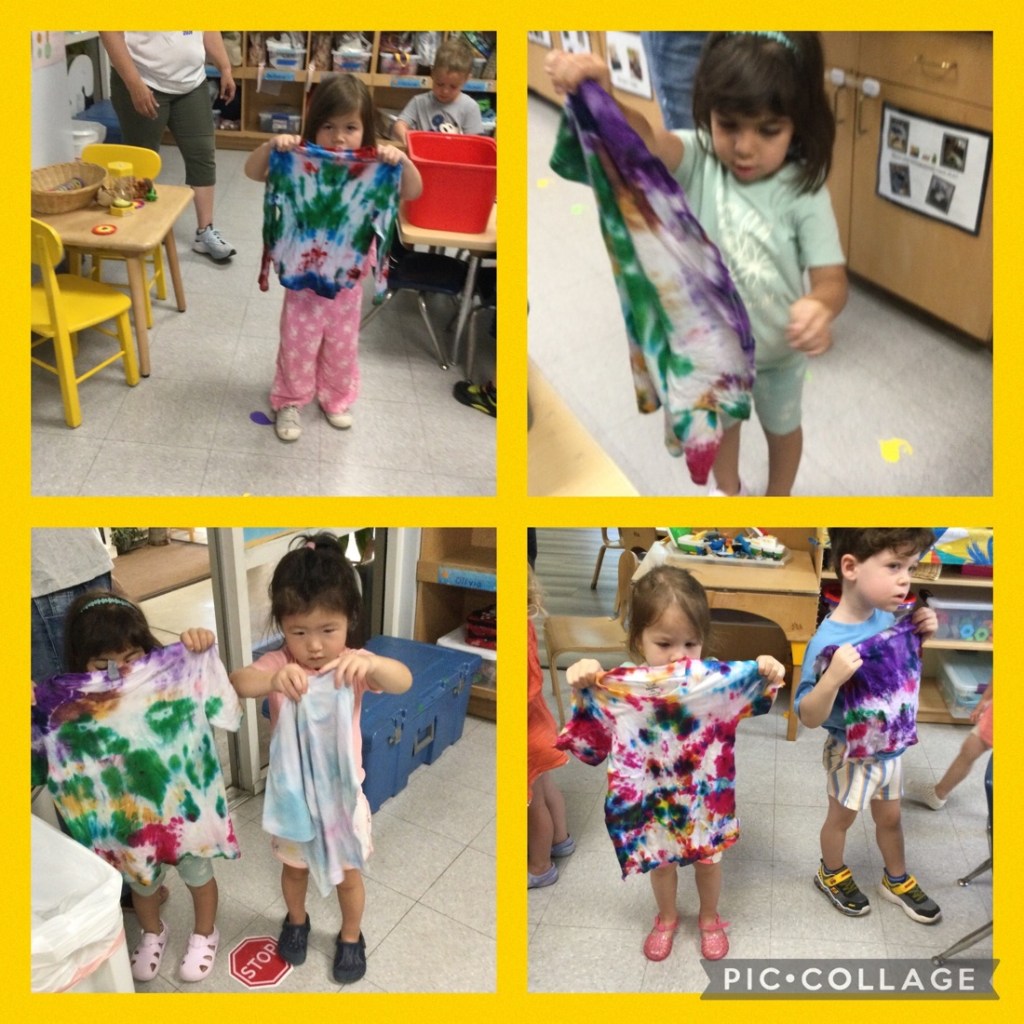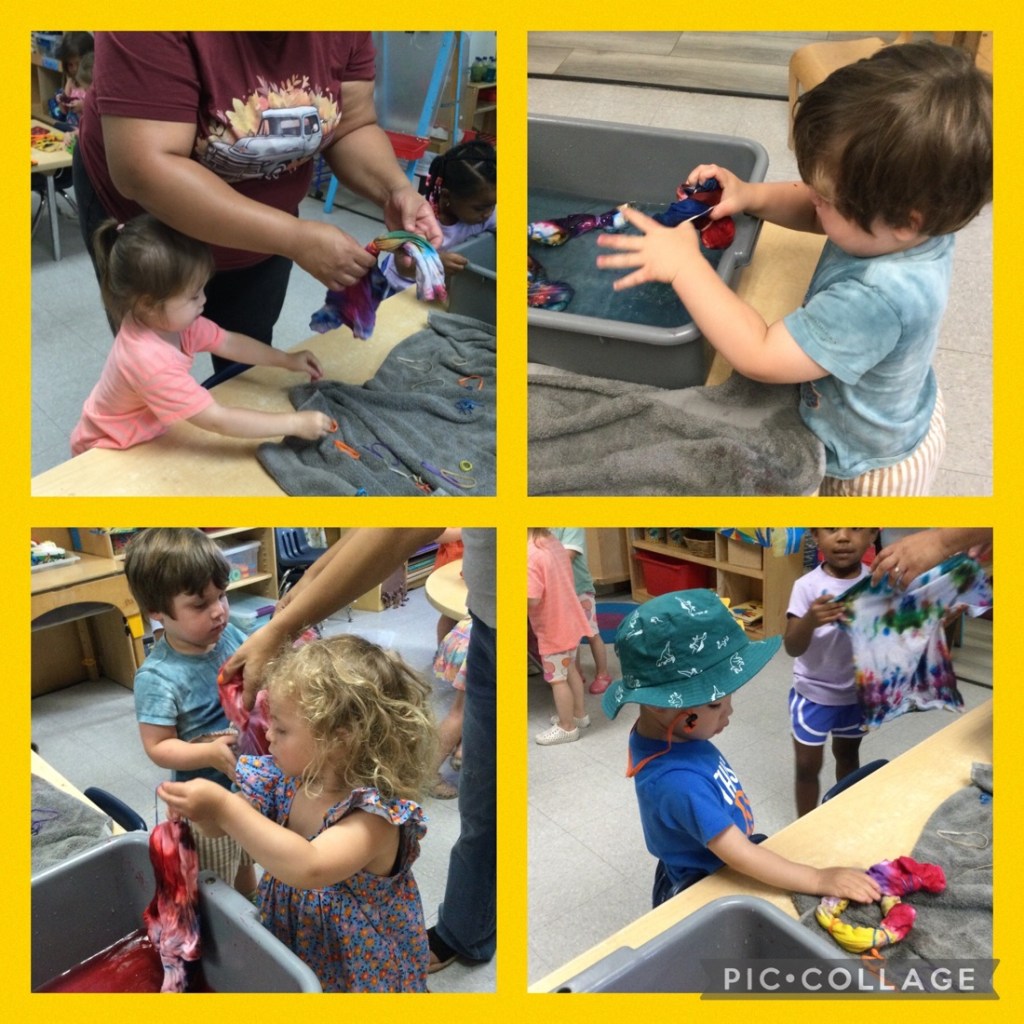
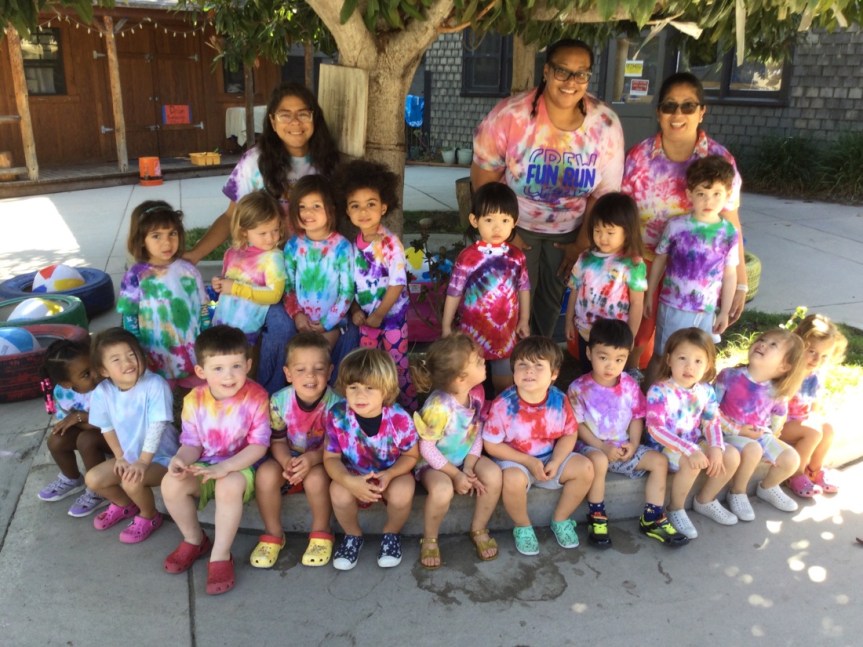
When you see bright, messy splashes of color on a custom t-shirt, it’s easy to view tie-dye as just a fun, nostalgic art project. But behind the mess and the dye-stained hands lies a rich learning experience.
While it looks like pure play, teachers love tie-dye because it secretly hits a goldmine of developmental, social, and cognitive milestones. Here is a look at what your child actually gained from making tie-dye at school this week!
1. A Hands-On Chemistry Lesson
Tie-dye is science in action! To make a shirt that stays vibrant after washing, kids are participating in a real-world chemical reaction.
- Color Theory: When blue dye bleeds into yellow, kids watch primary colors turn into secondary colors right in front of their eyes. It’s a sensory-rich way to learn cause and effect and color blending.
2. Fine Motor Skills & Spatial Awareness
Twisting a shirt into a classic spiral or pinching tiny sections for a bullseye pattern isn’t as easy as it looks!
- Hand-Eye Coordination: Wrapping tight rubber bands around bunched-up fabric requires finger strength, dexterity, and patience—the exact same fine motor skills needed for handwriting, tying shoes, and using scissors.
- Spatial Reasoning: Kids have to visualize how a flat shirt transforms into a 3D bundle, predicting how their folding techniques will translate into patterns once the shirt is opened.
3. Embracing Perfectionism (and Happy Accidents)
In a school environment where so much work is judged by neatness and correctness, tie-dye offers a refreshing breath of fresh air: there are no mistakes.
“Tie-dye teaches kids the beauty of letting go of control. You can plan your pattern, but you never fully know what it will look like until you unwrap it. It’s the ultimate lesson in embracing ‘happy accidents’ and loving unique results.”
This builds creative confidence and resilience. If colors run together or a pattern turns out asymmetrical, it’s not a failure—it’s original art!
4. Patience & Delayed Gratification
In an era of instant streaming, fast delivery, and immediate feedback, tie-dye forces kids to slow down.
Dye needs hours to set in the fabric. The hardest—and most valuable—part of the process is waiting overnight to unwrap the shirt. Learning to wait for a rewarding reveal builds patience and self-control in a fun, tangible way.