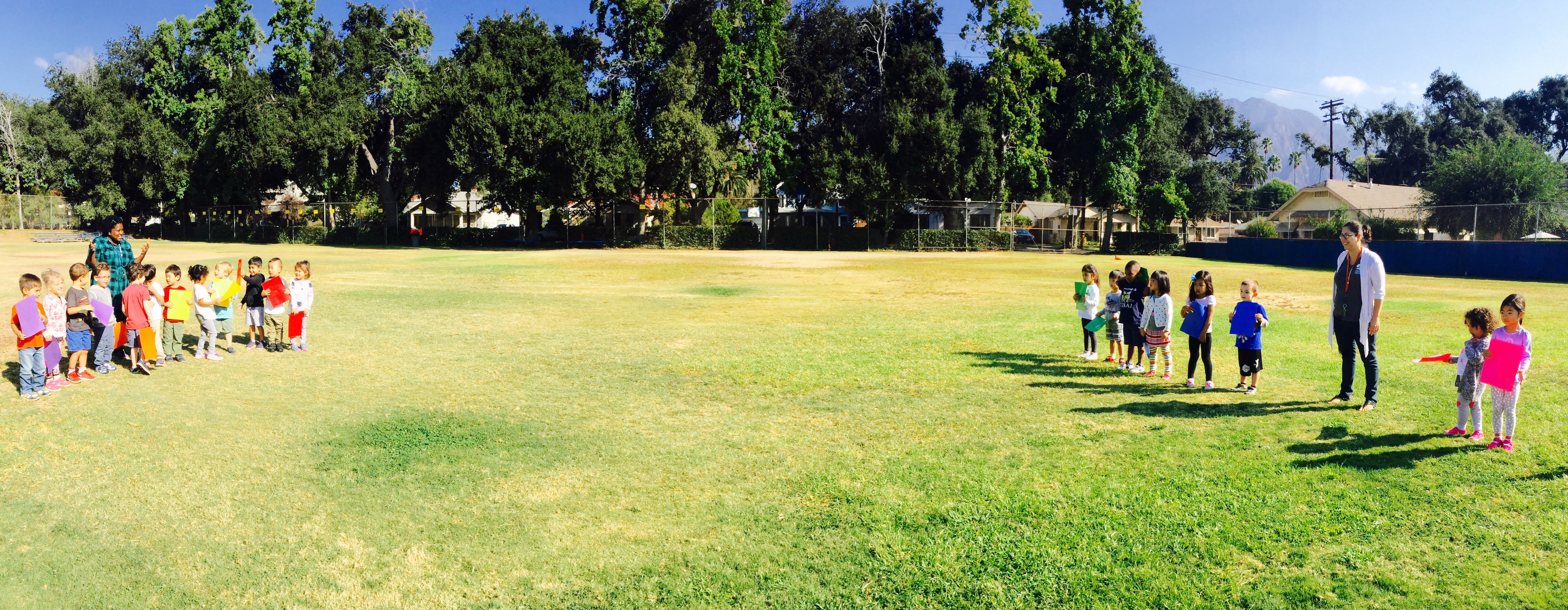
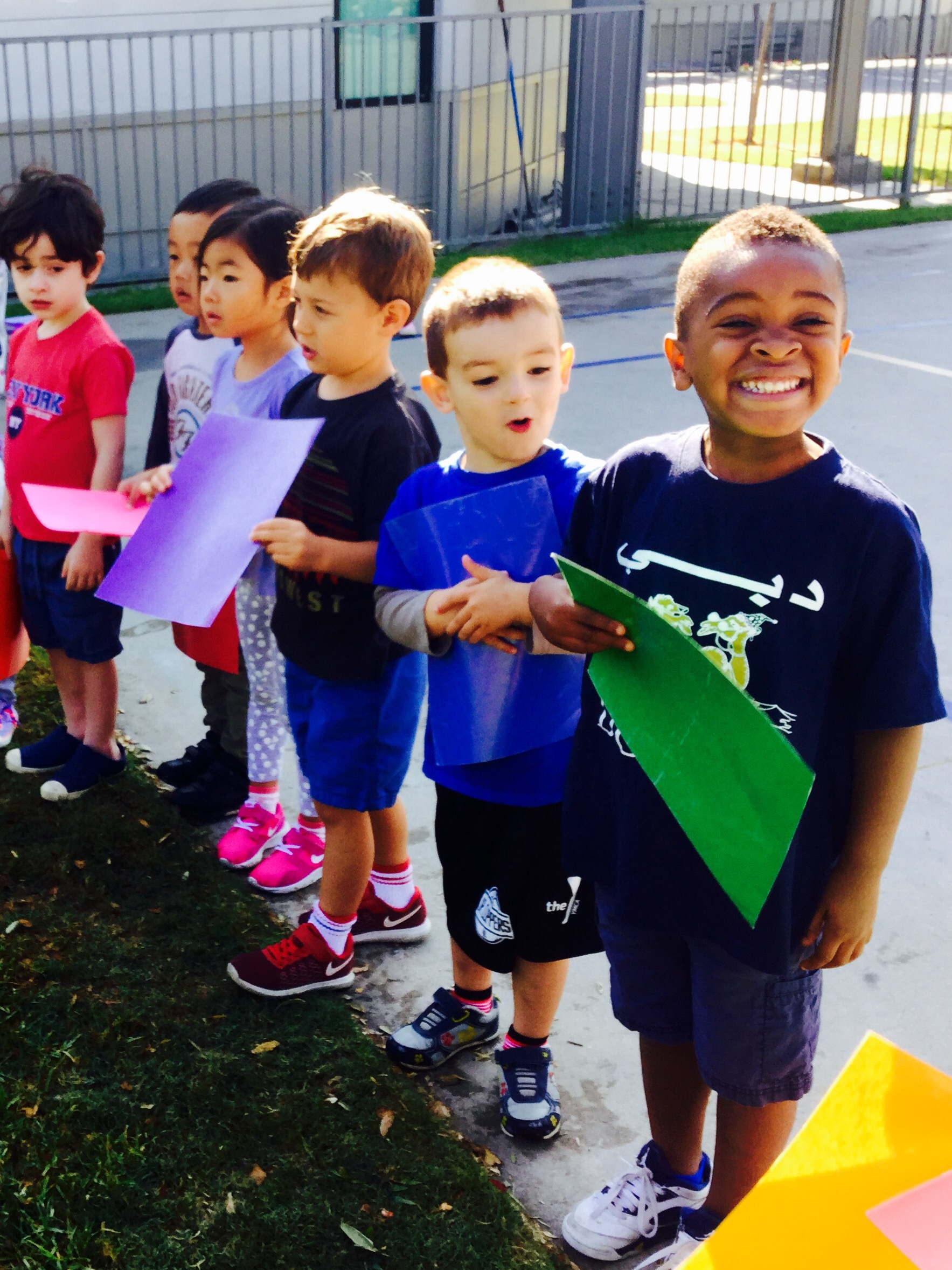
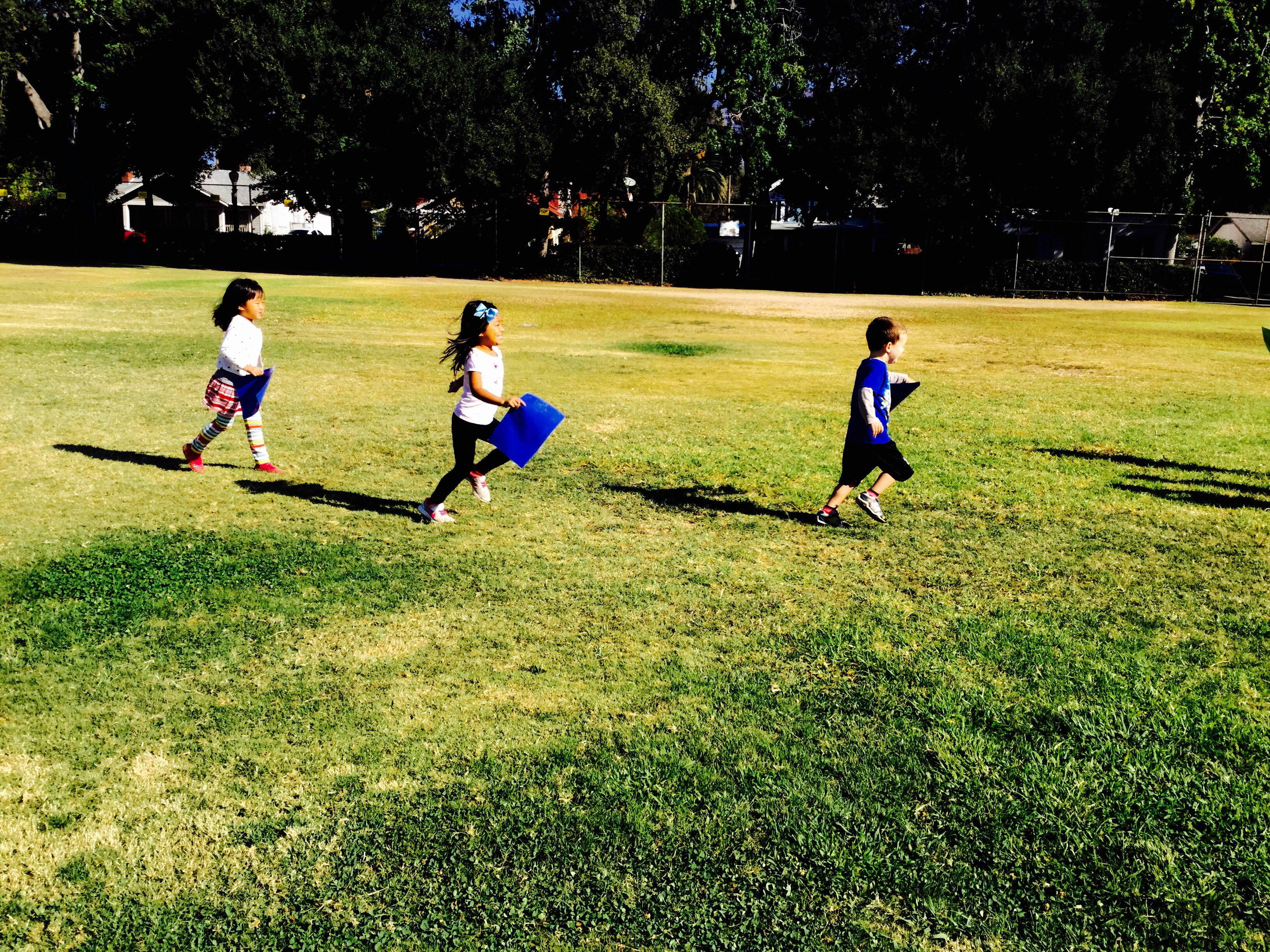
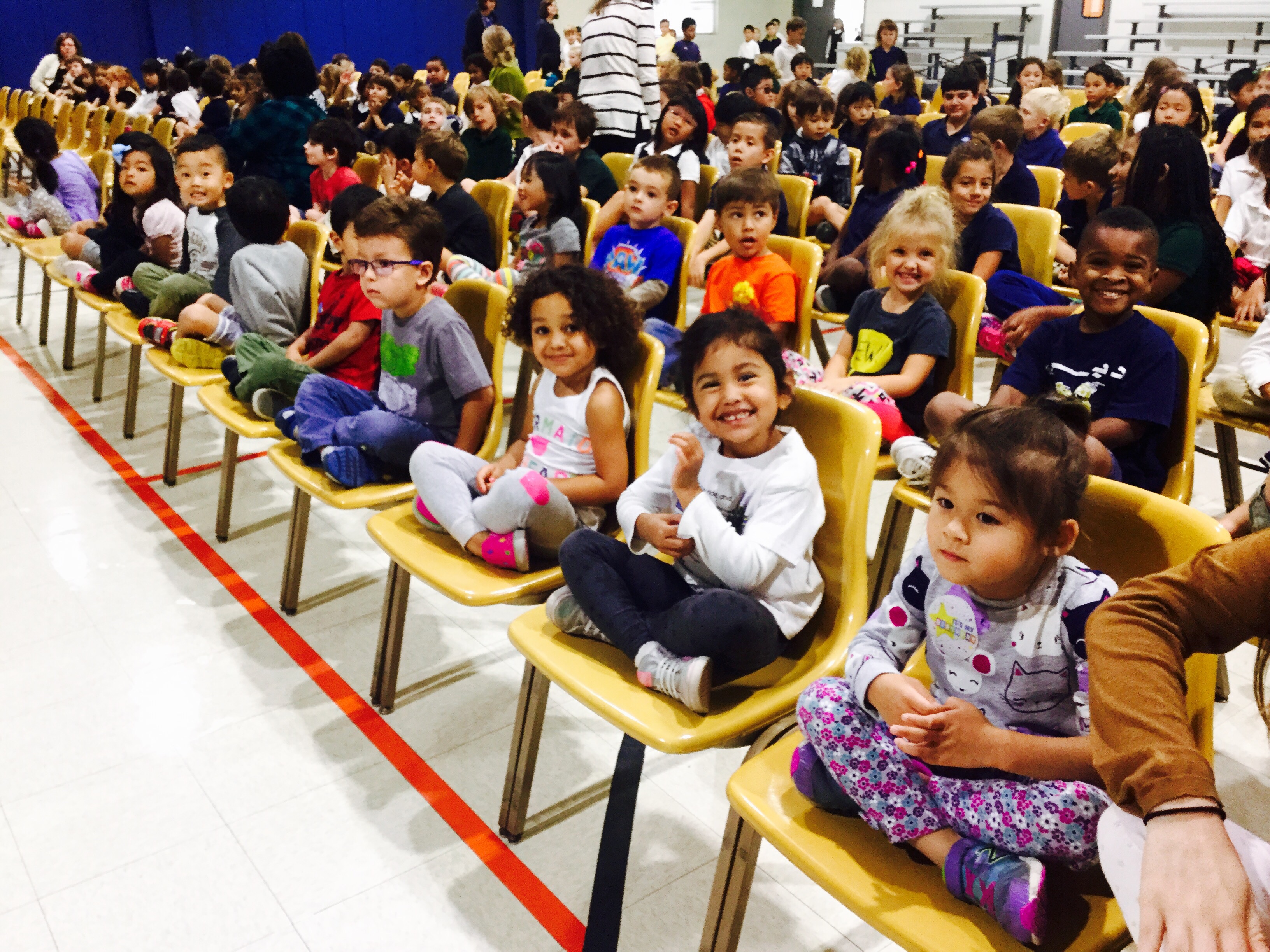
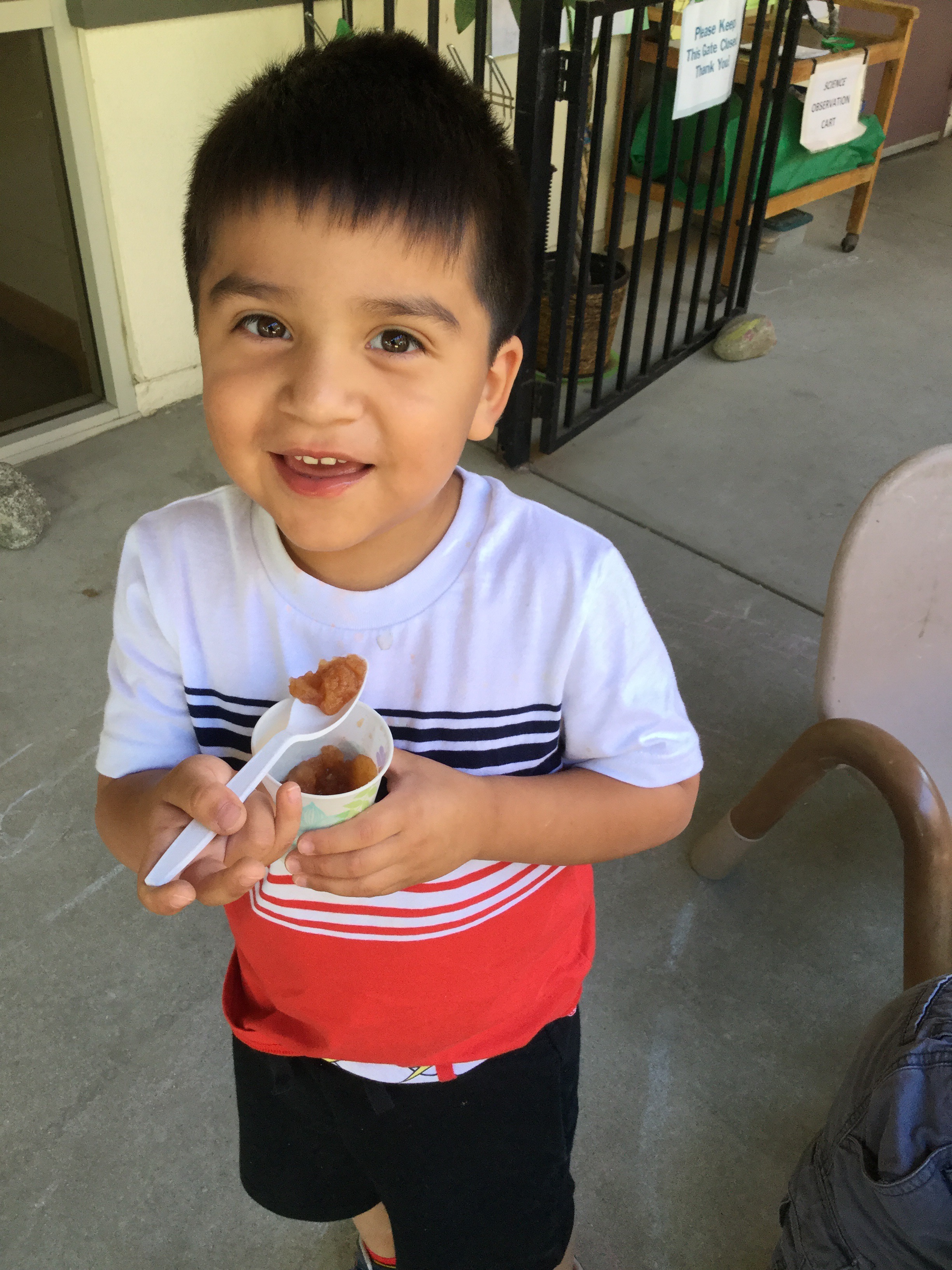
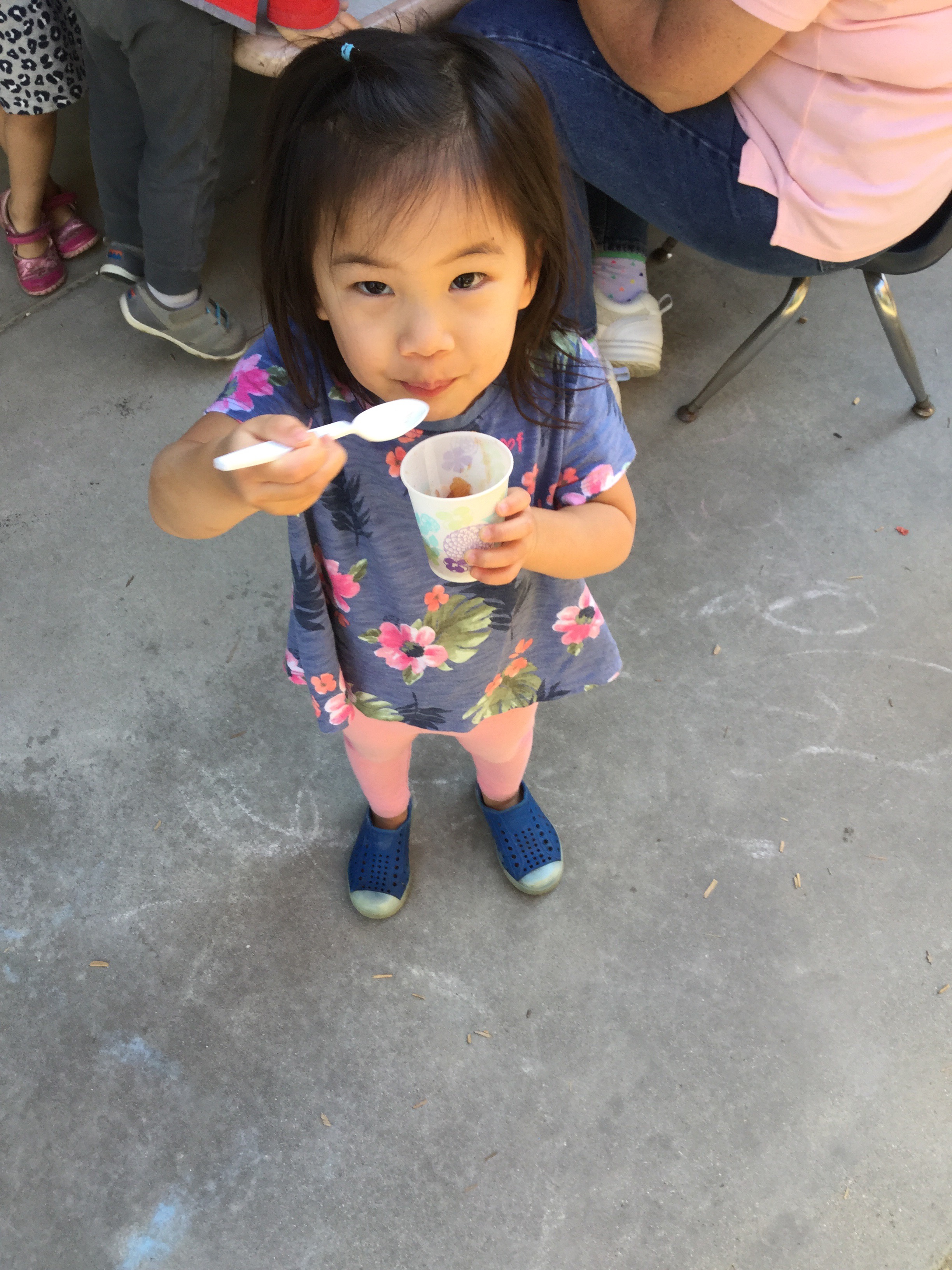
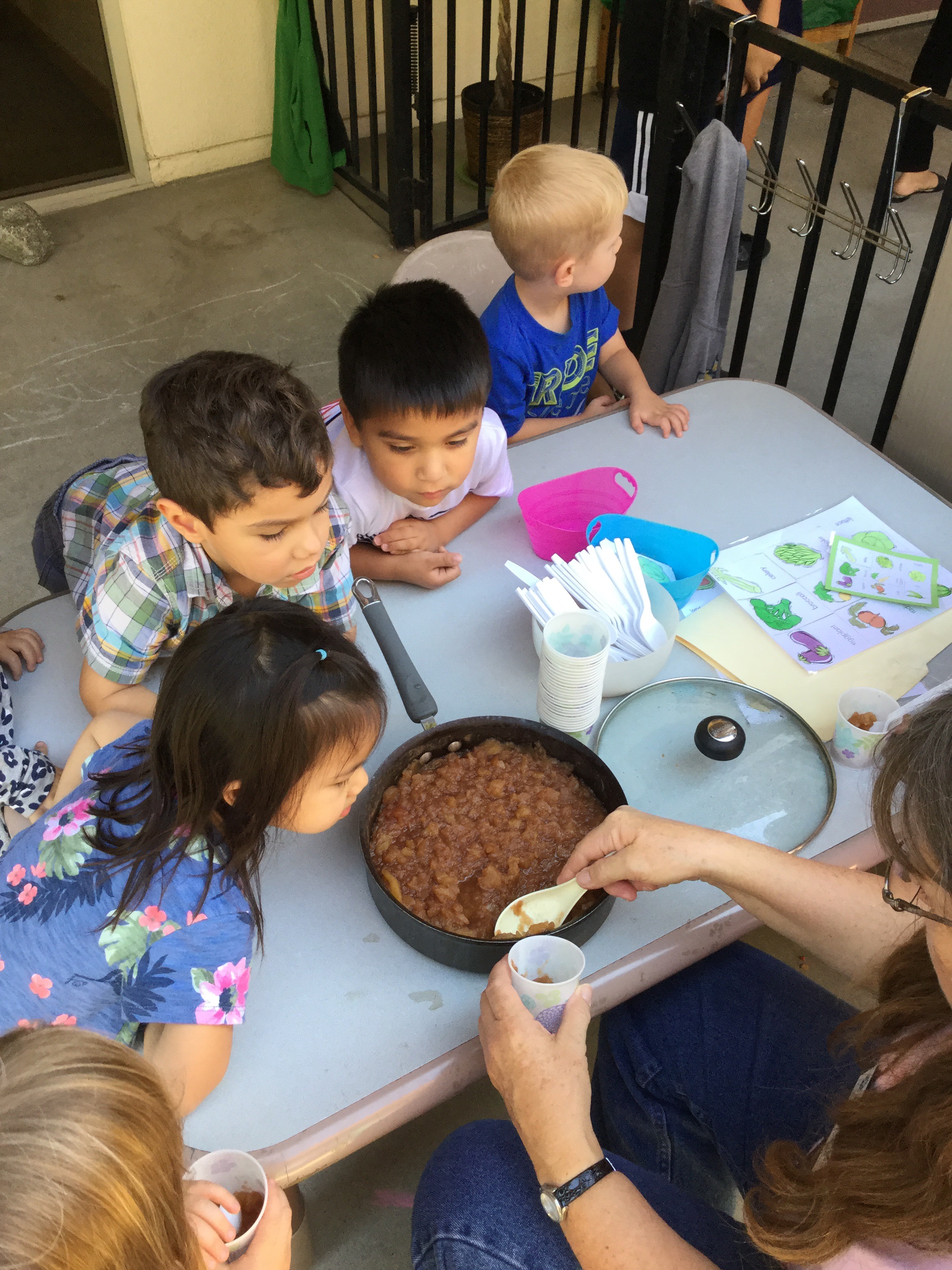
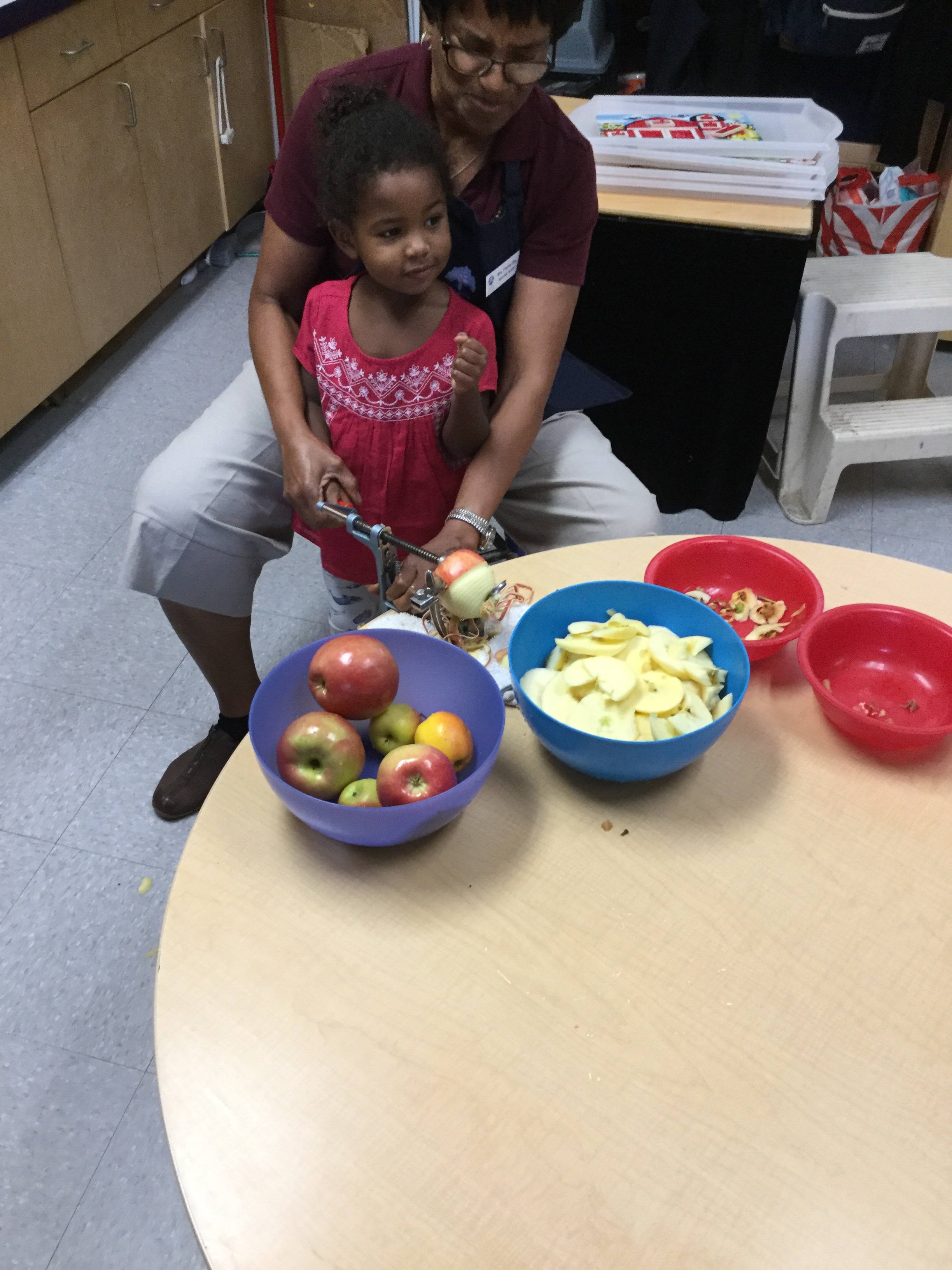
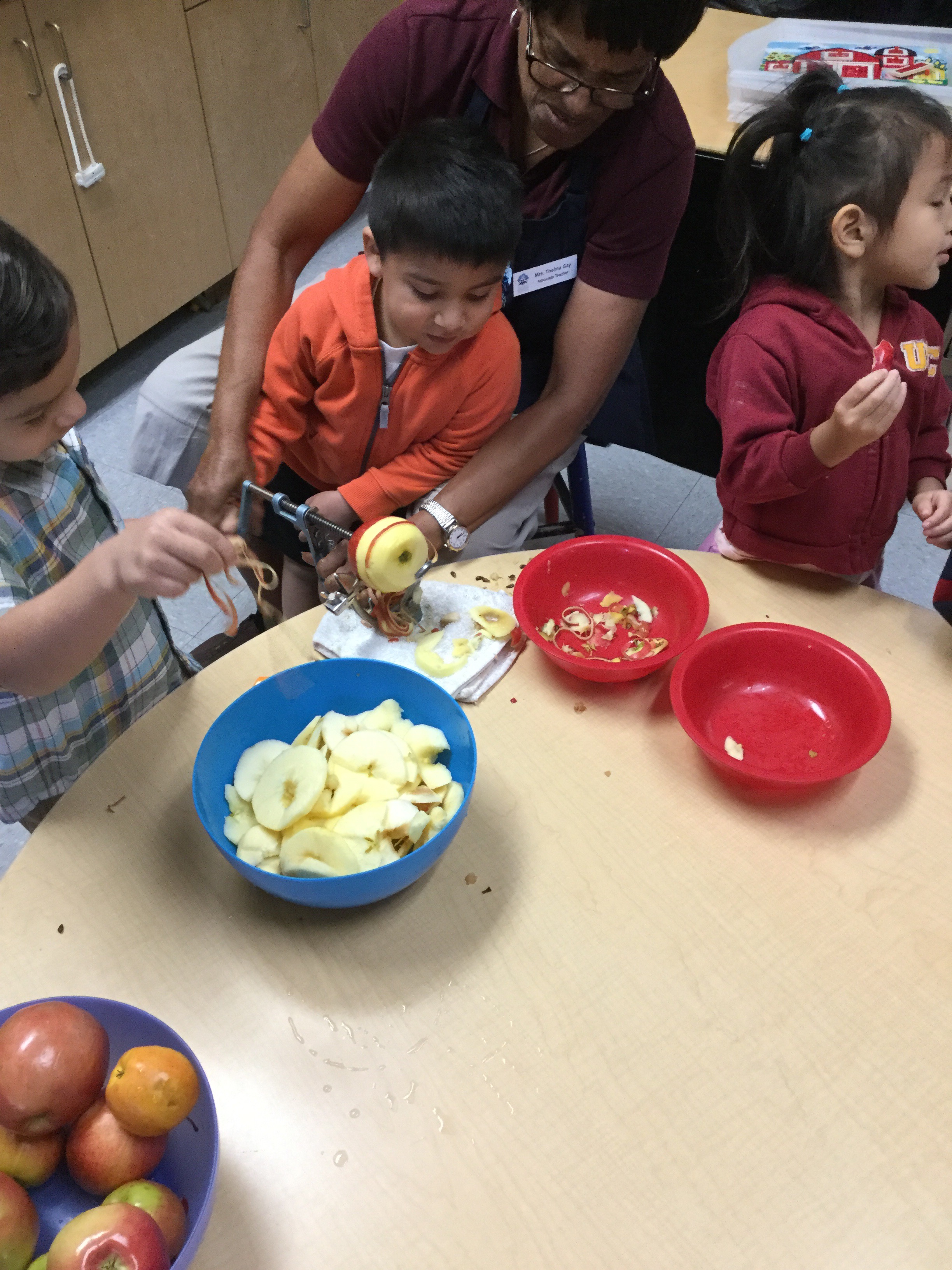
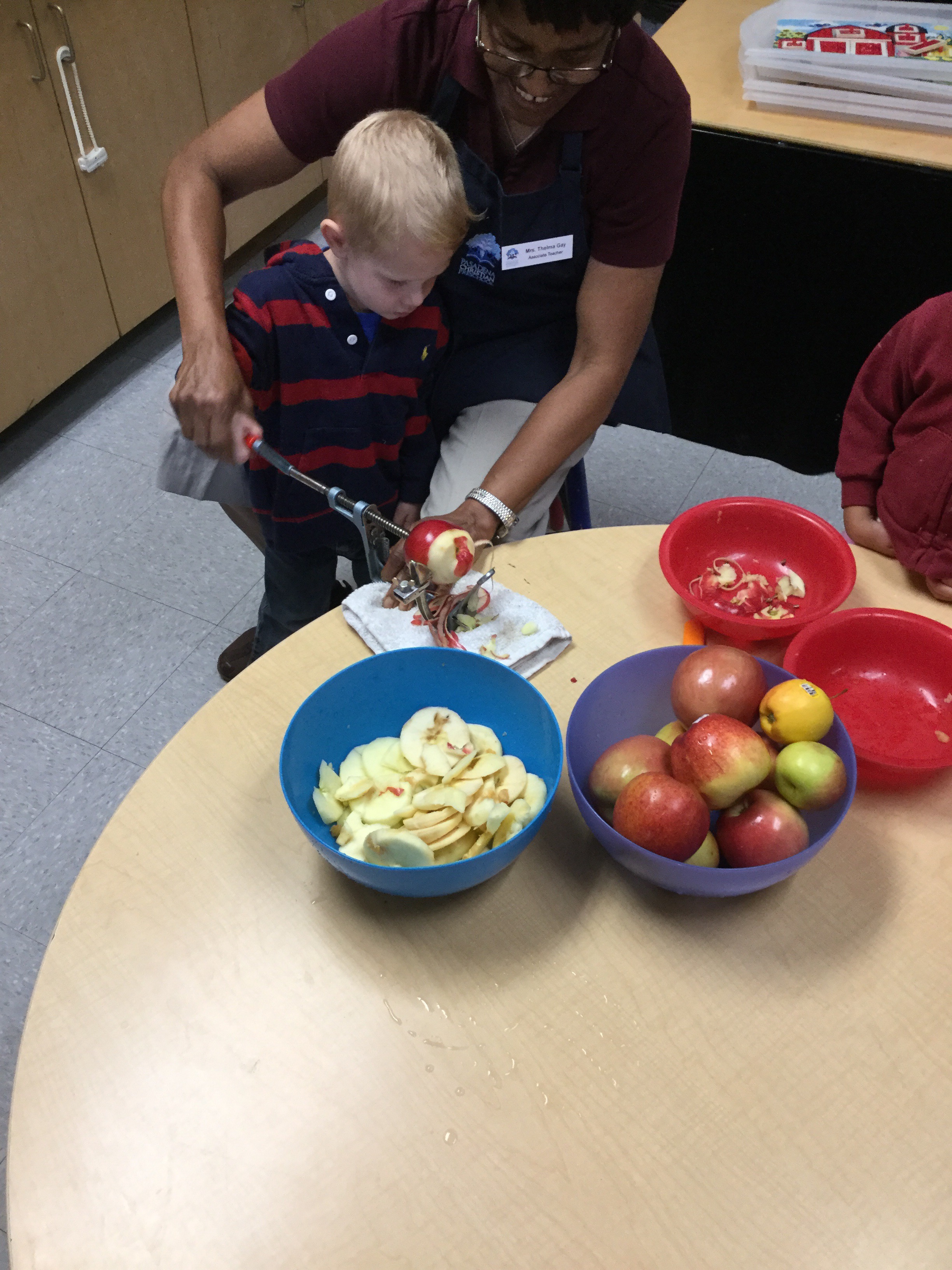
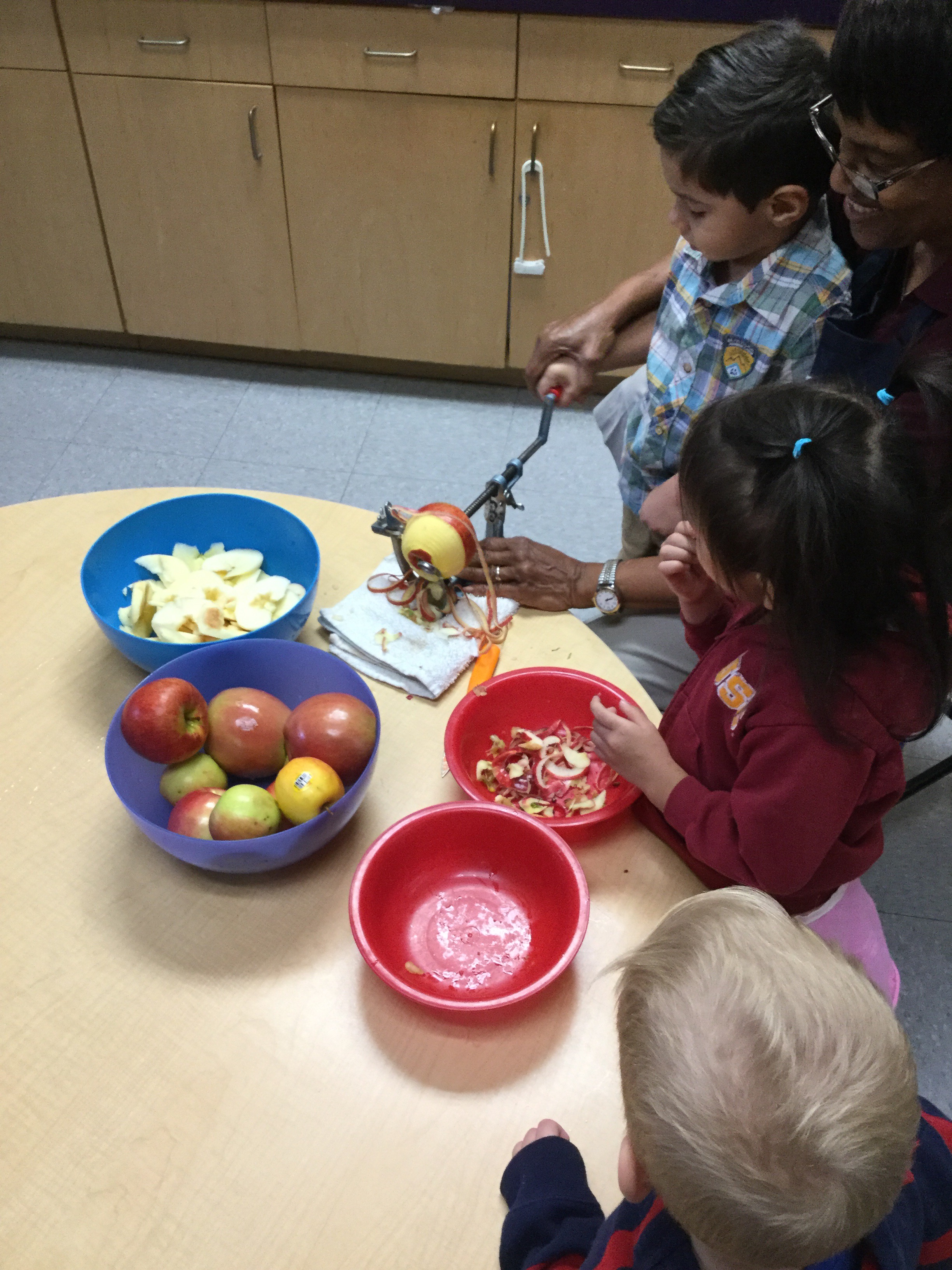
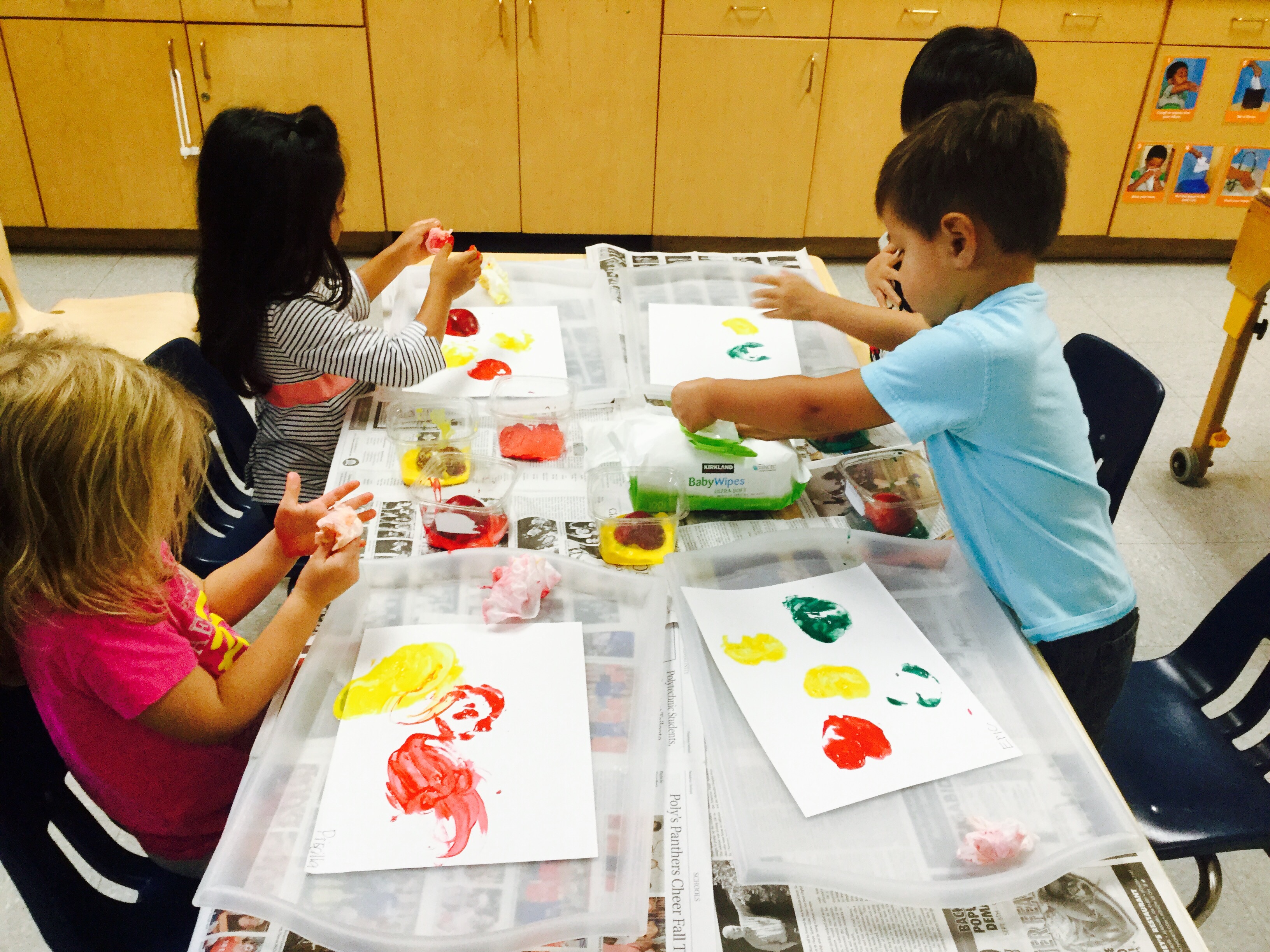
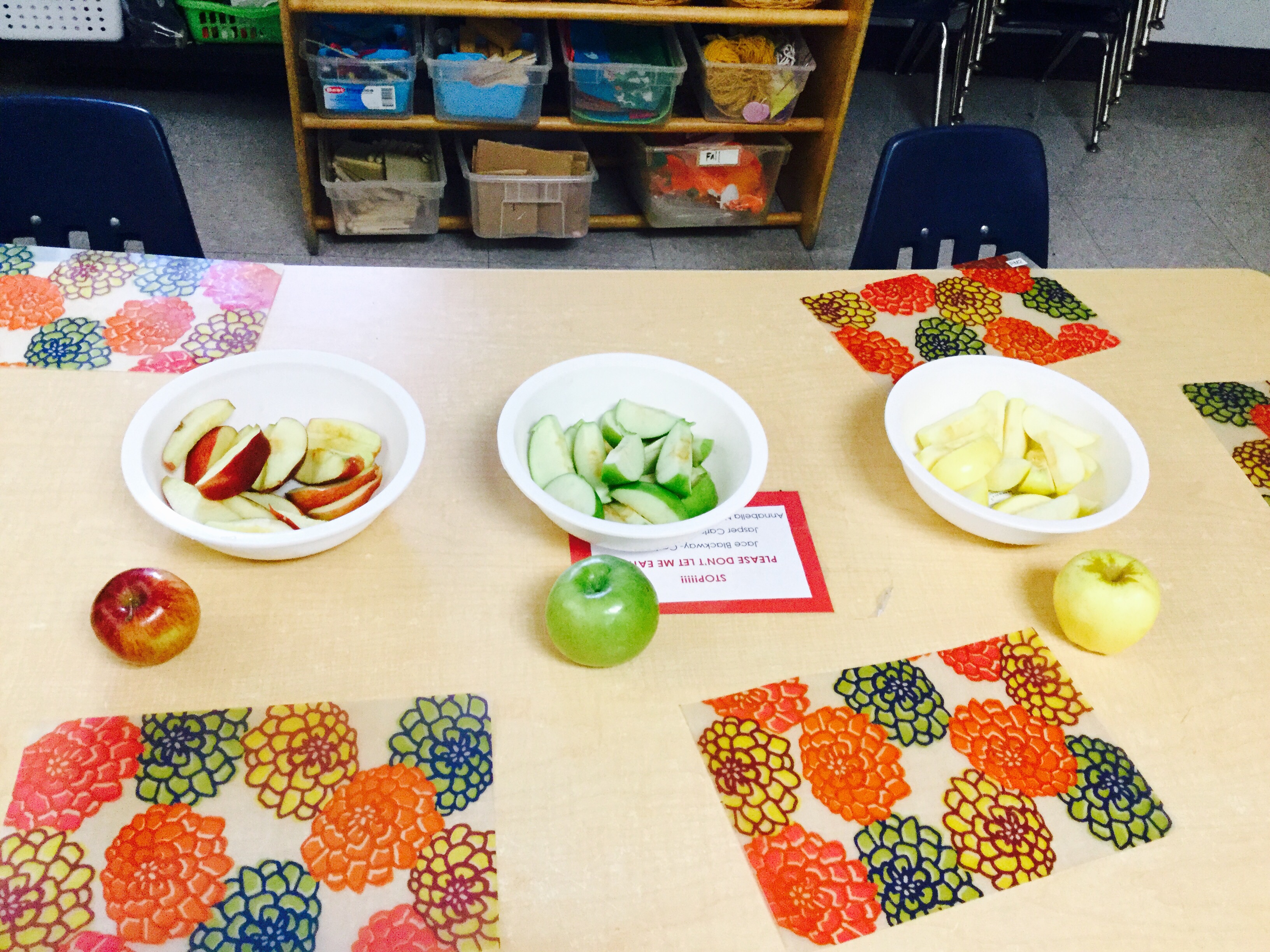
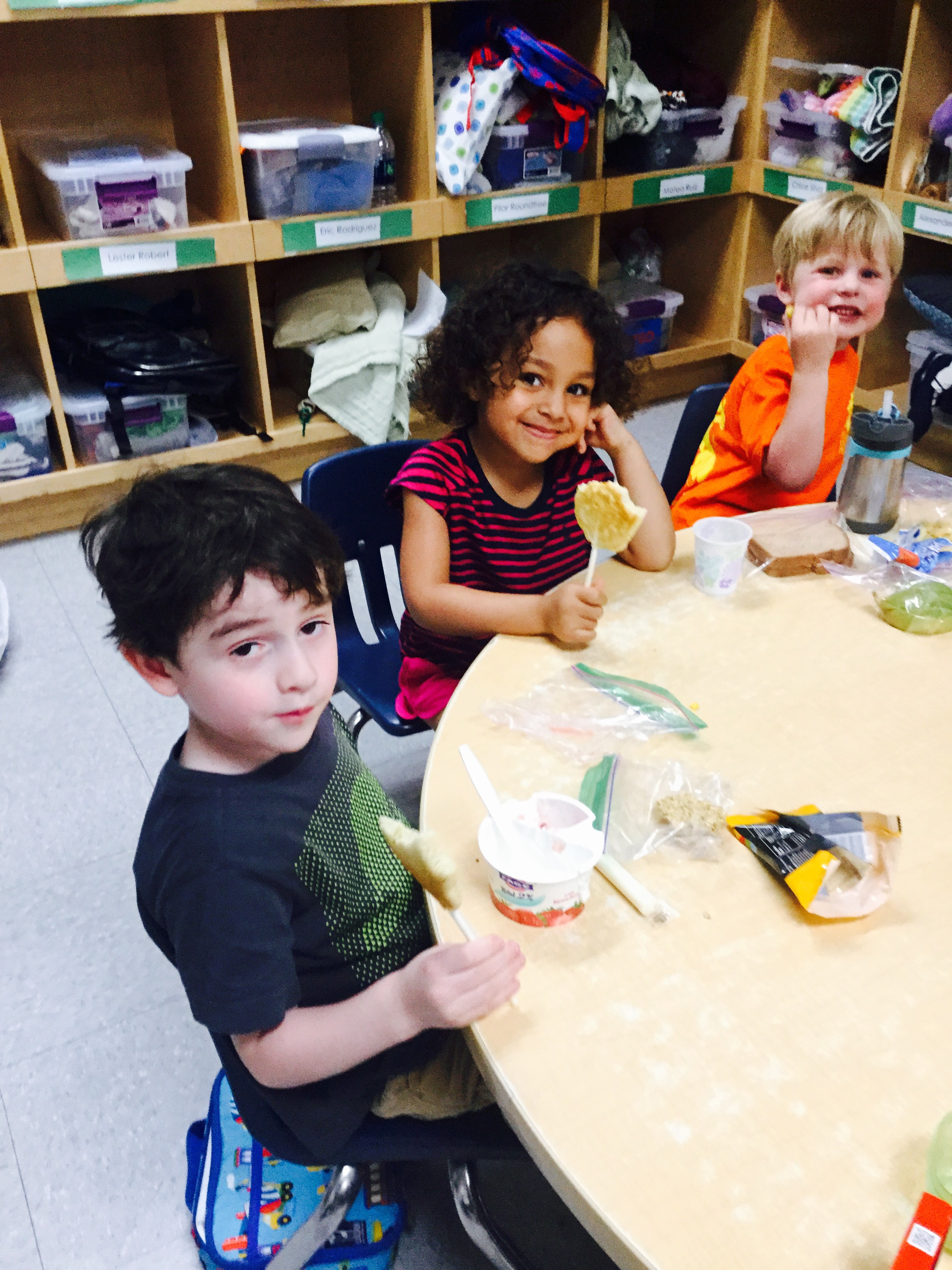
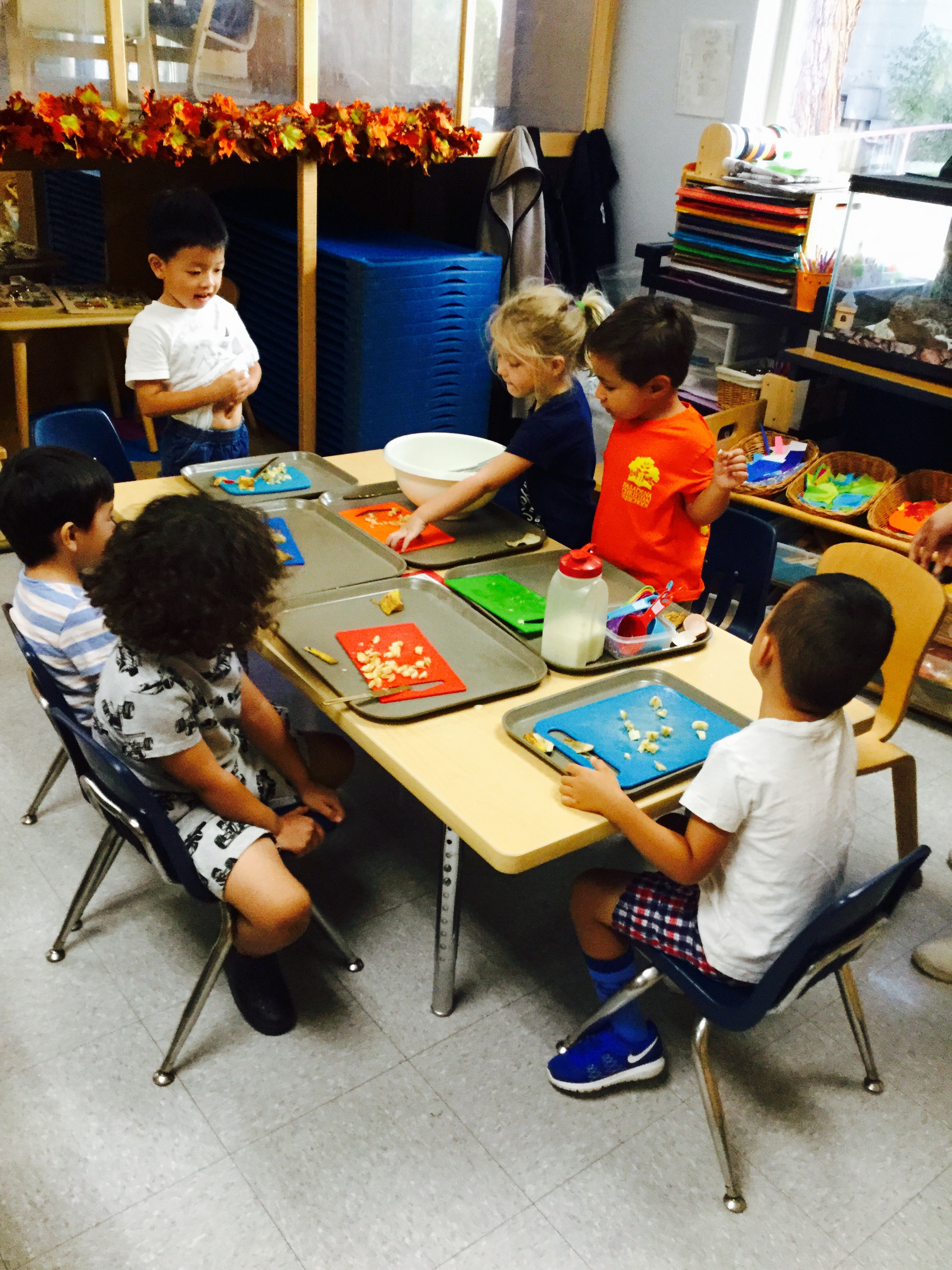
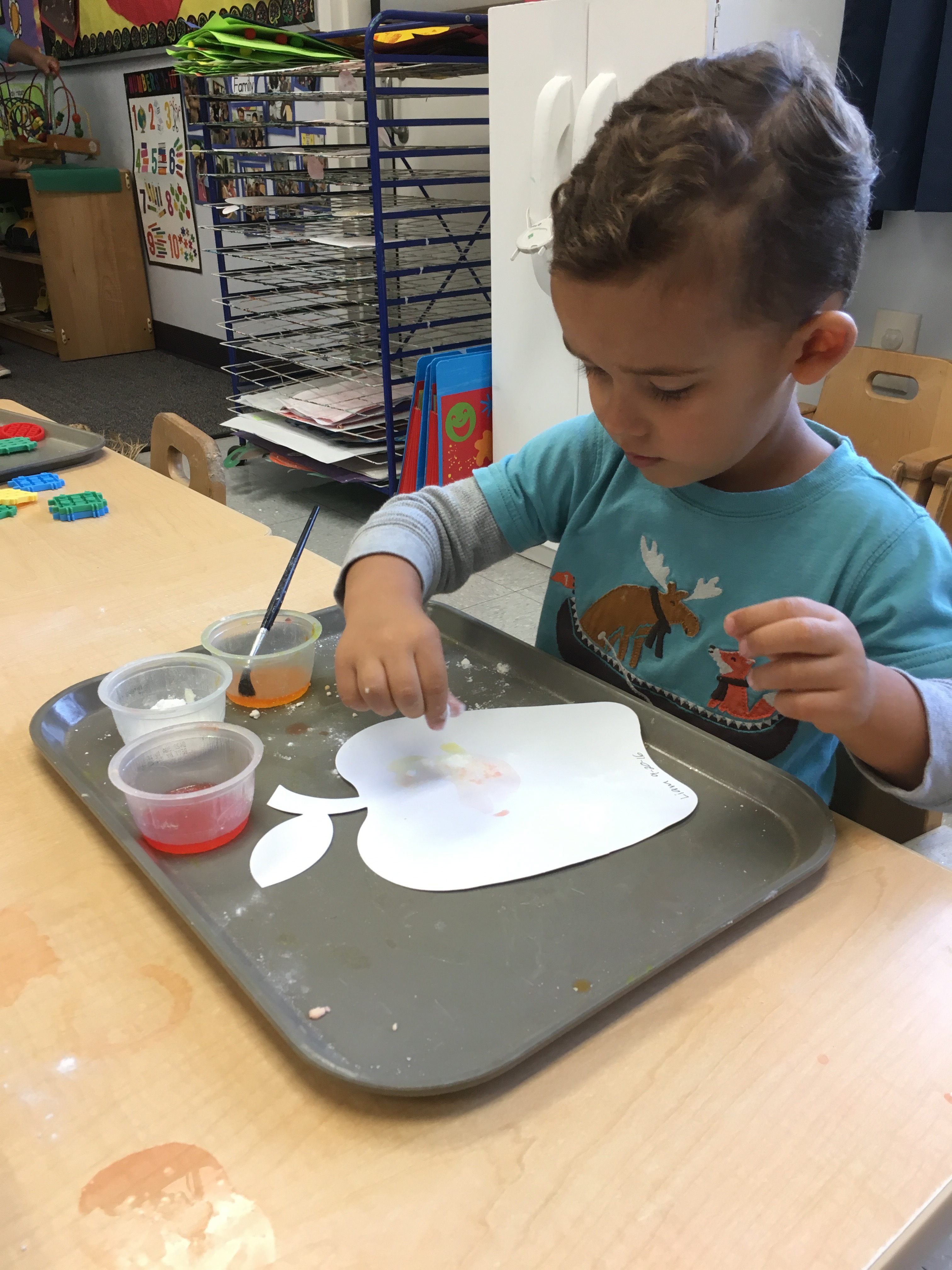
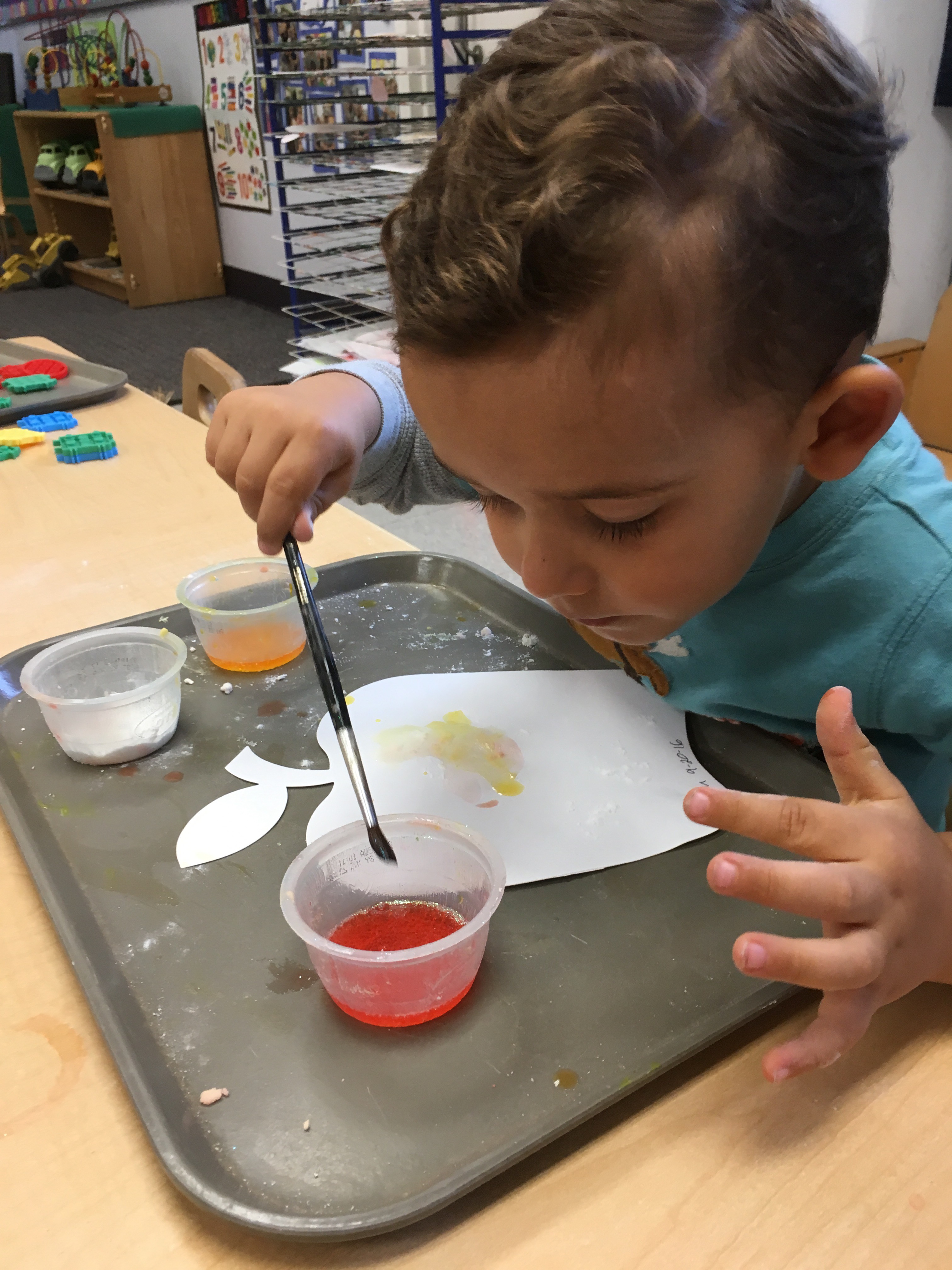
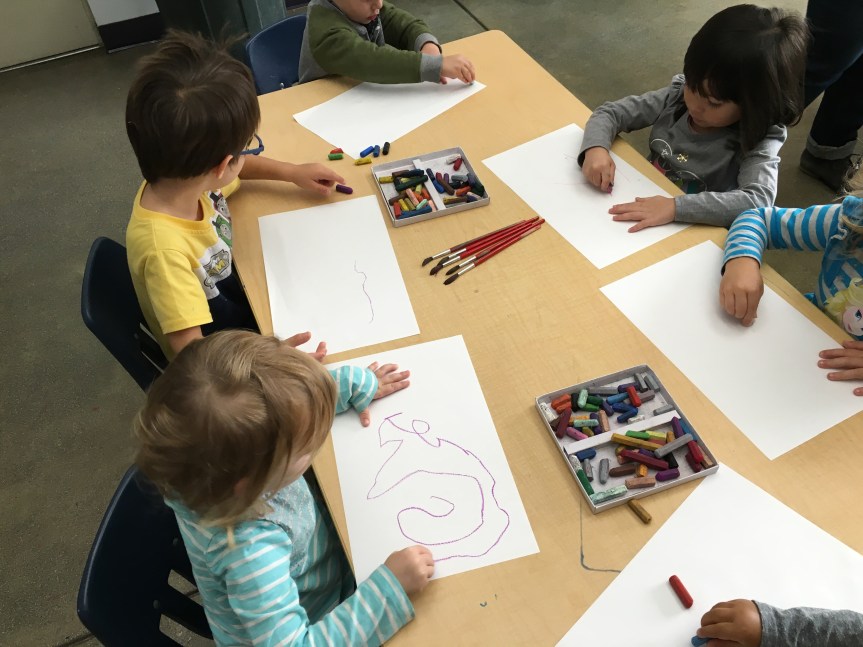
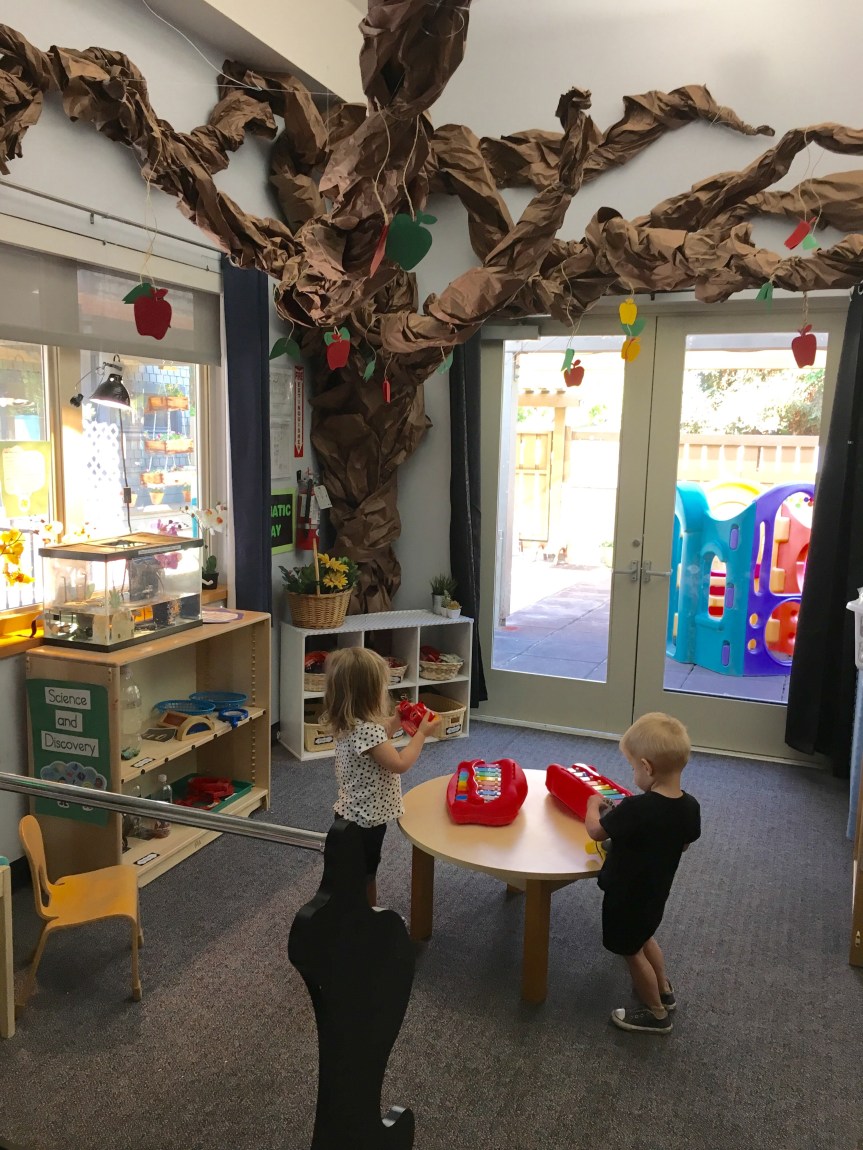
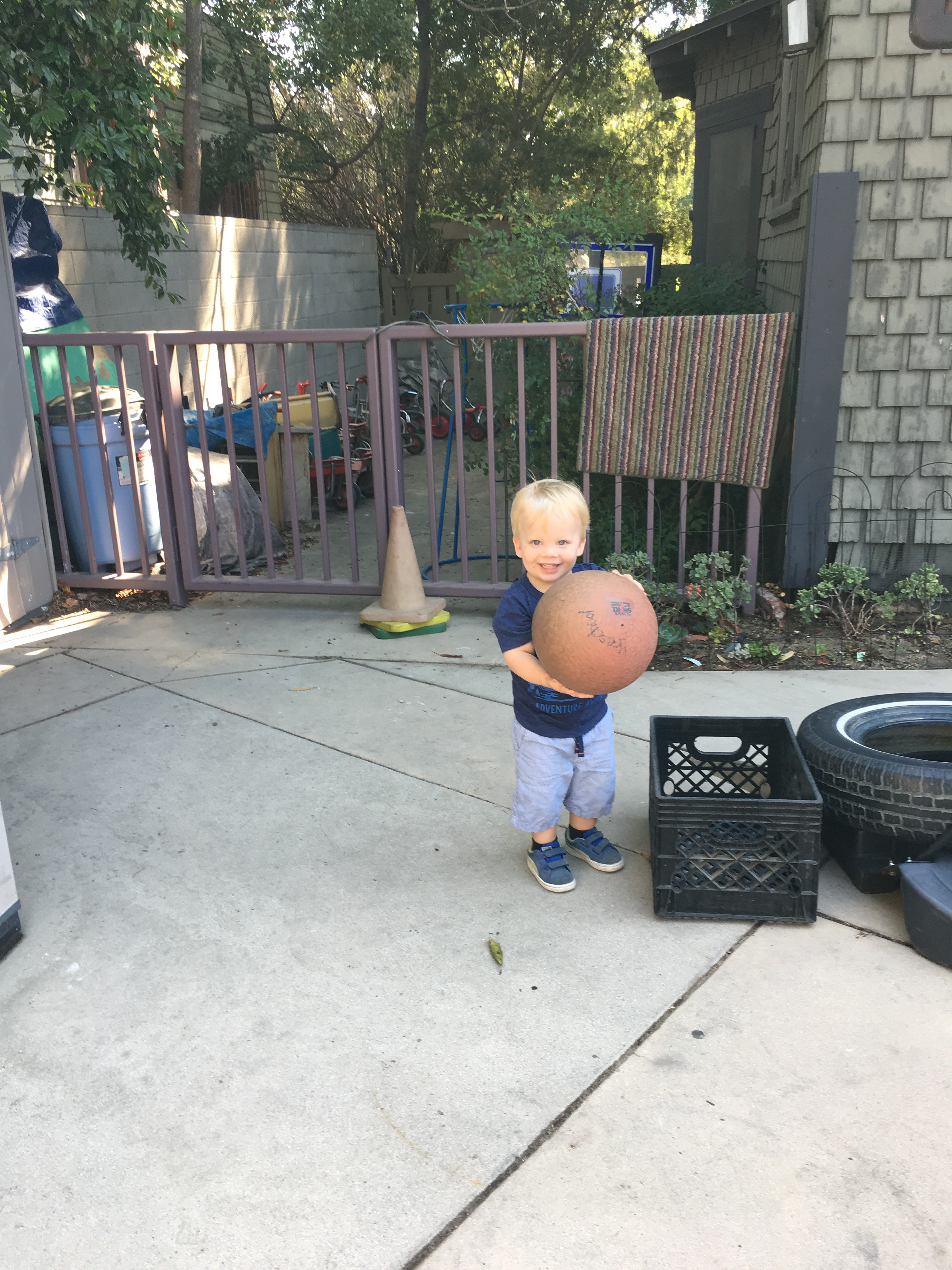
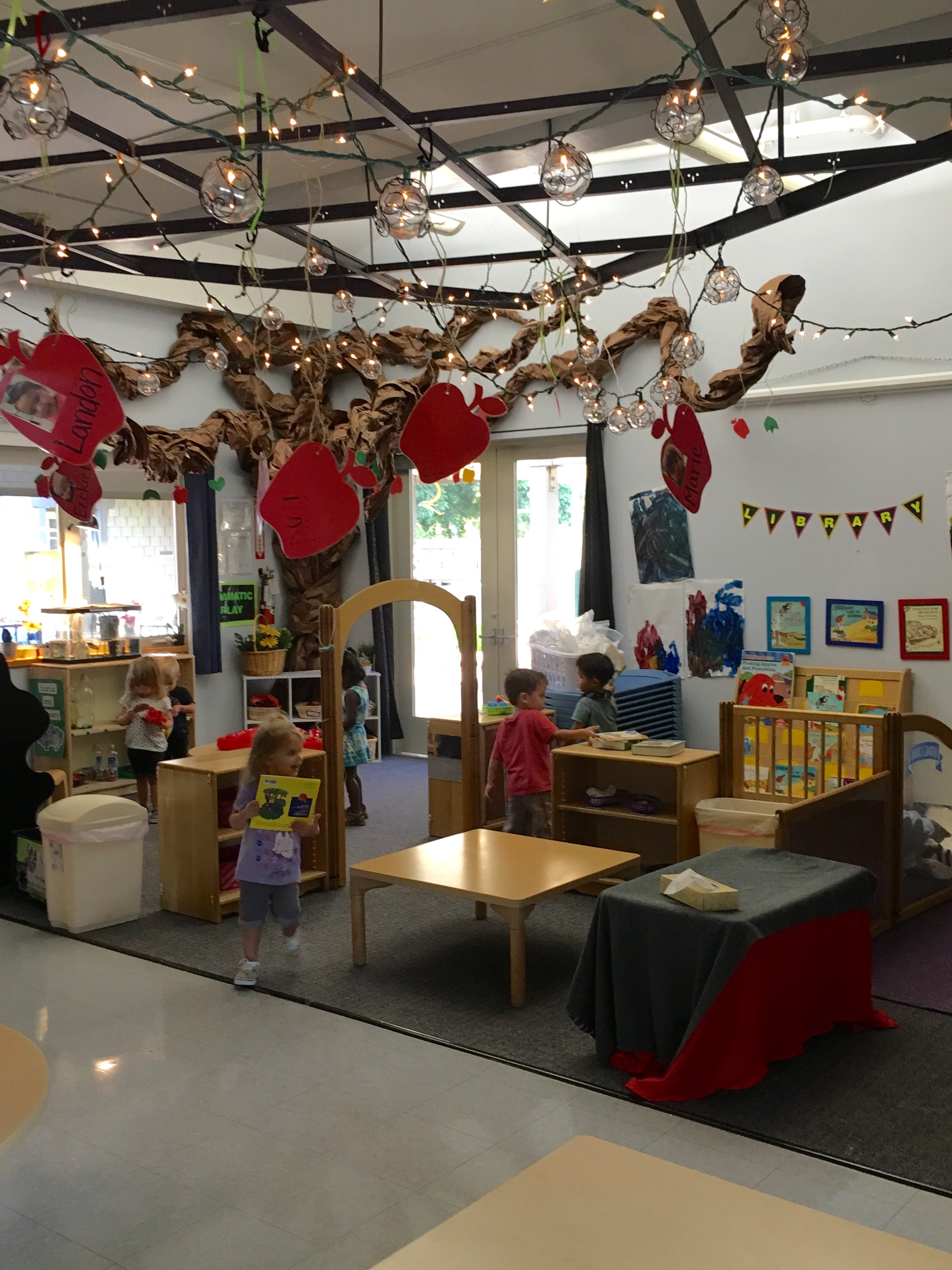
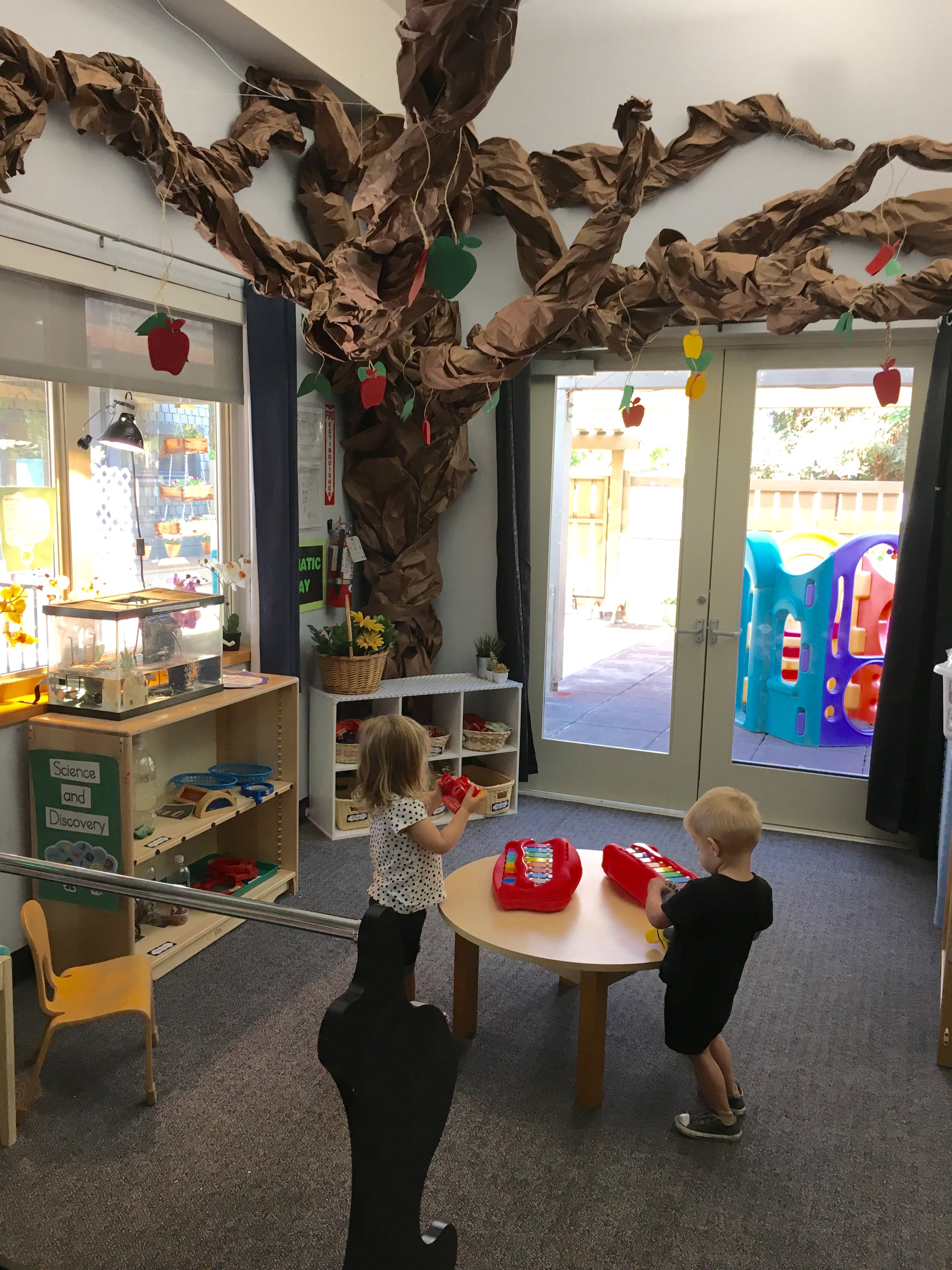
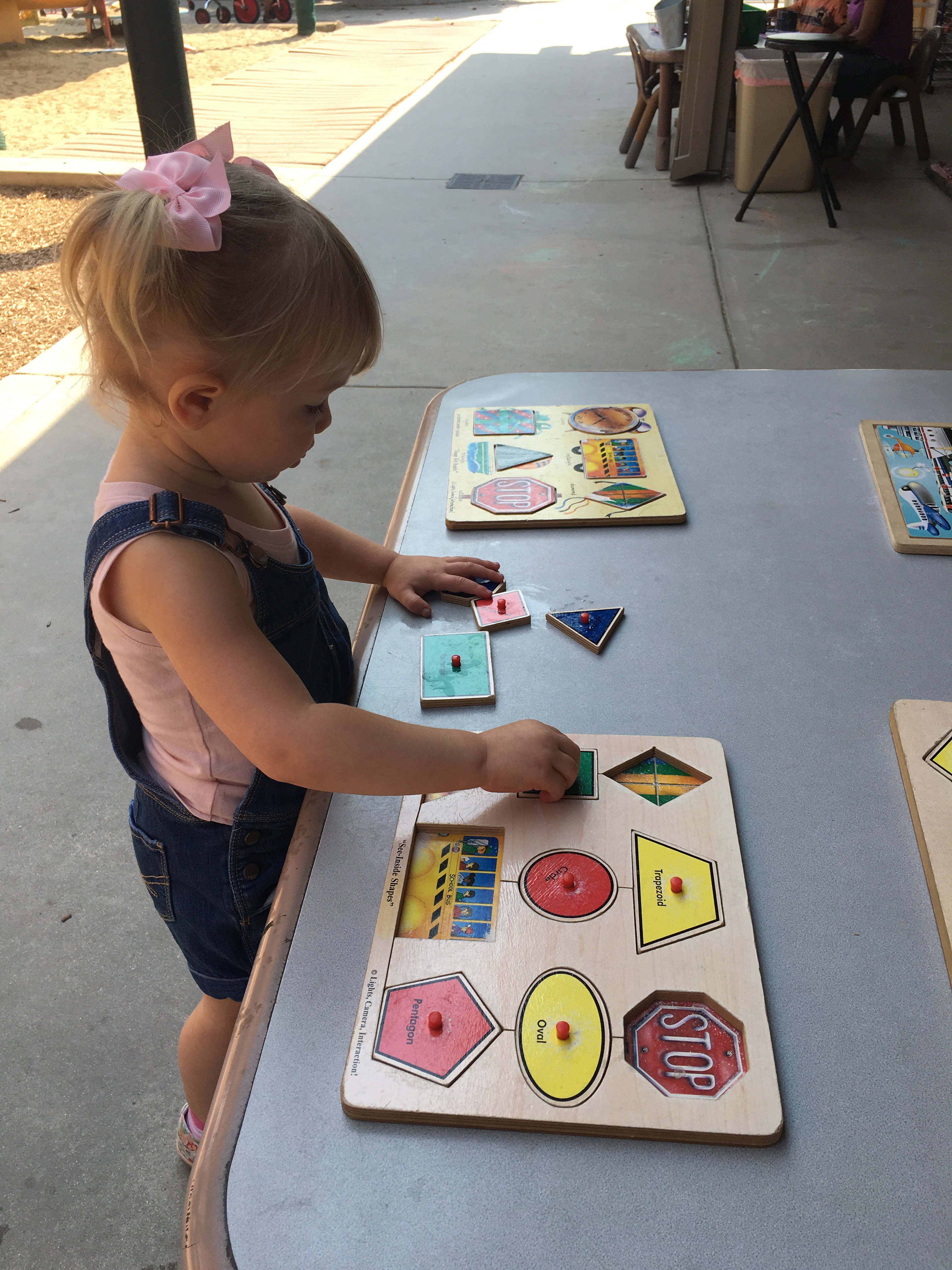
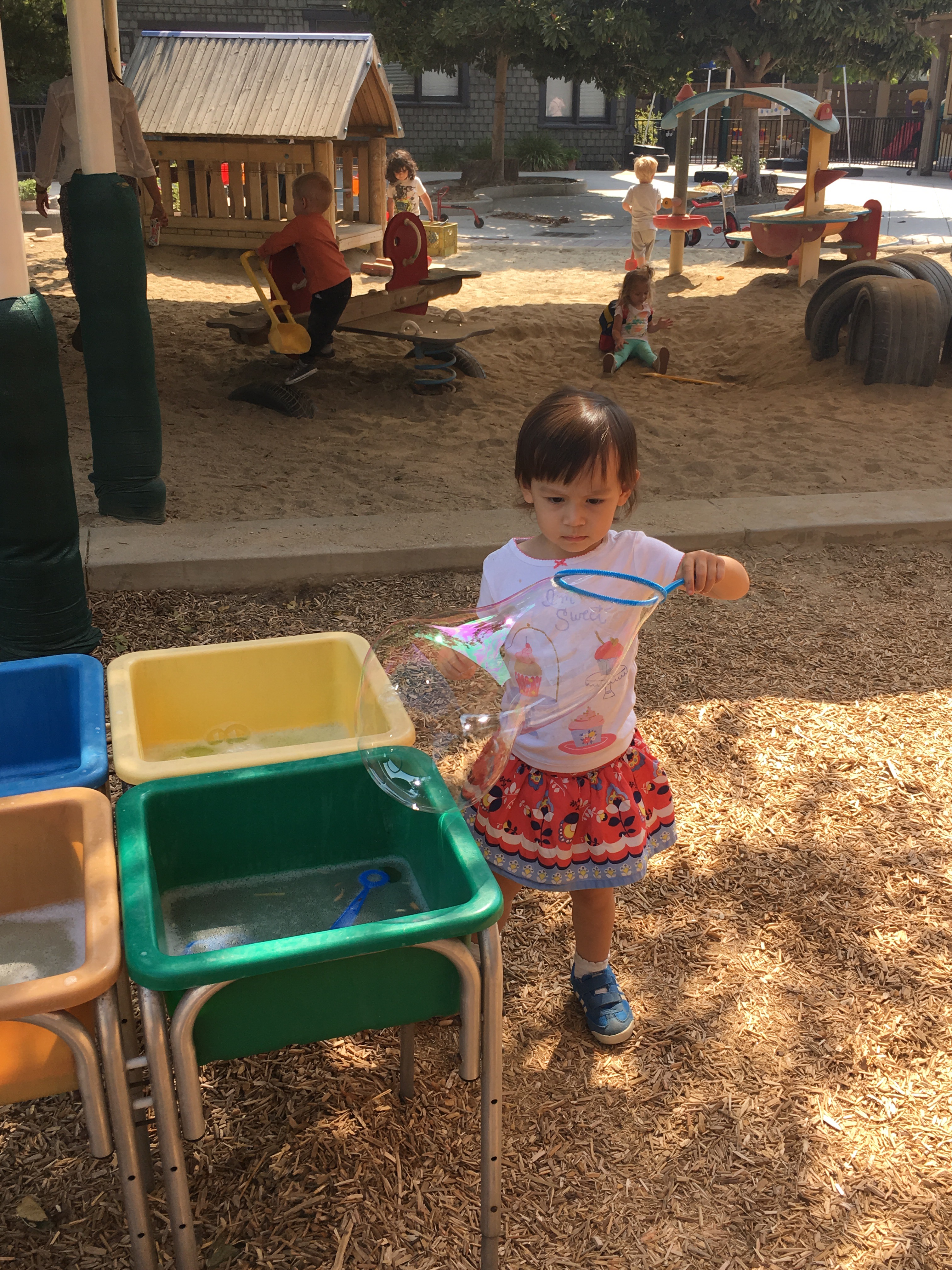
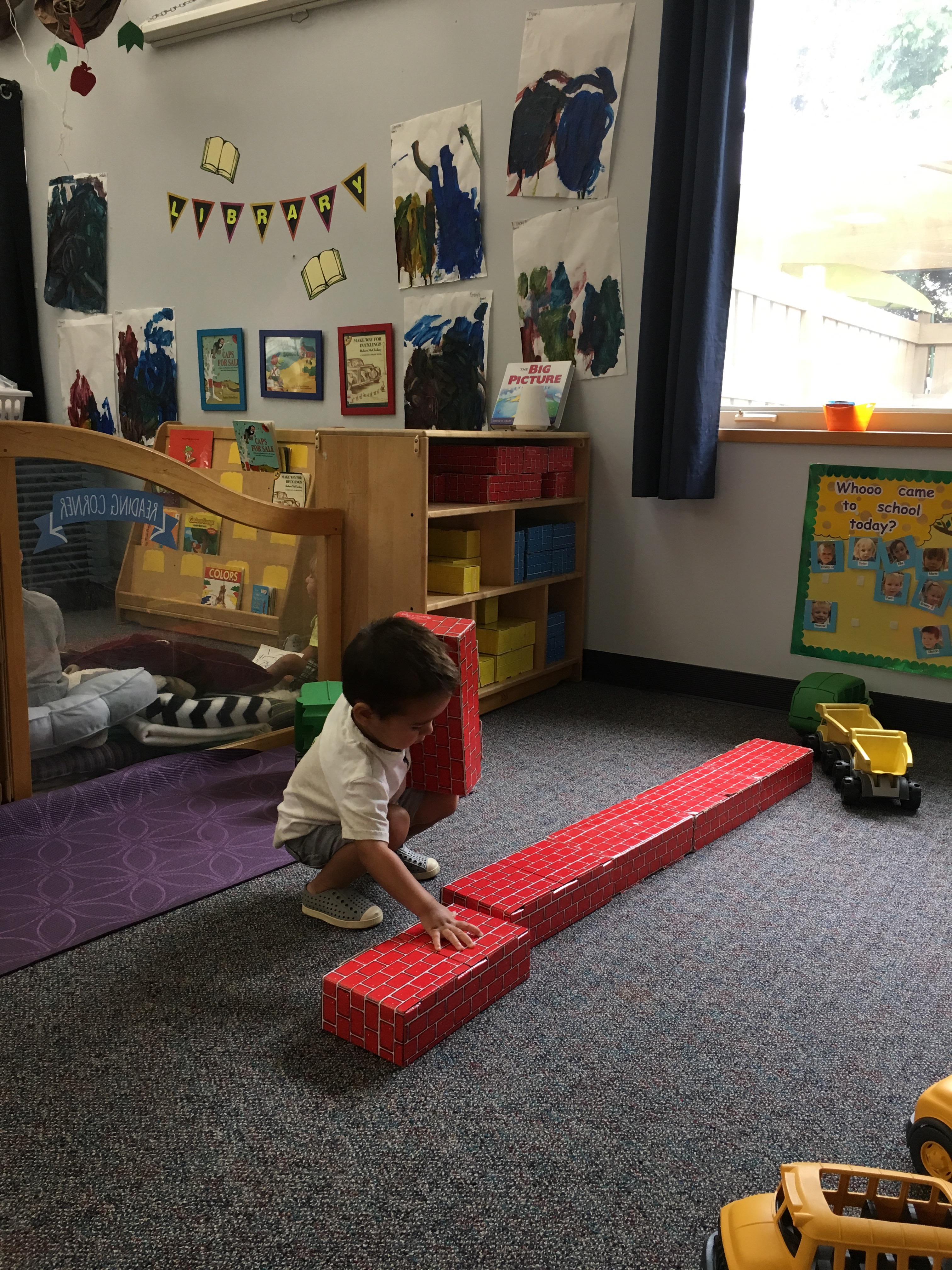
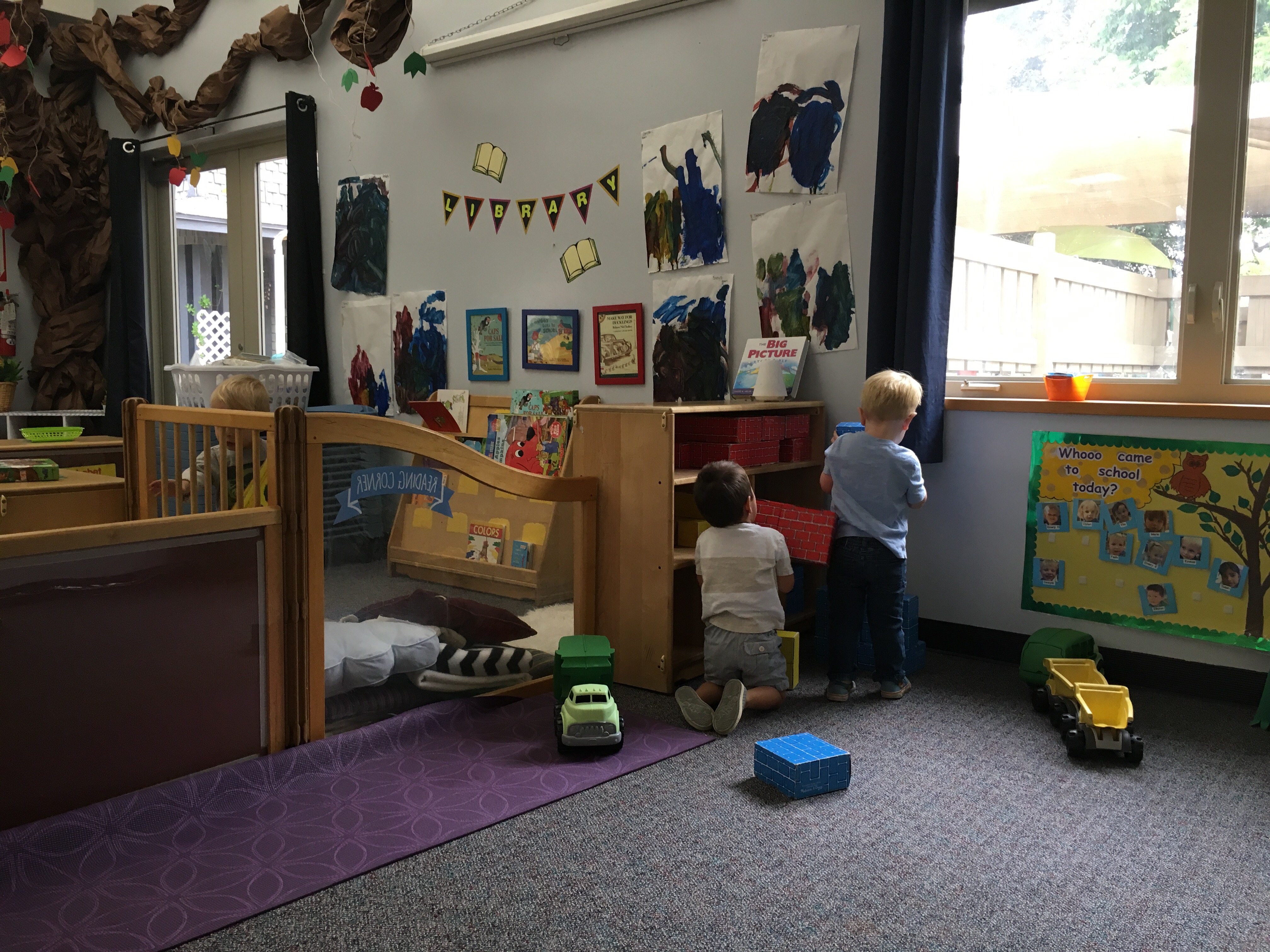
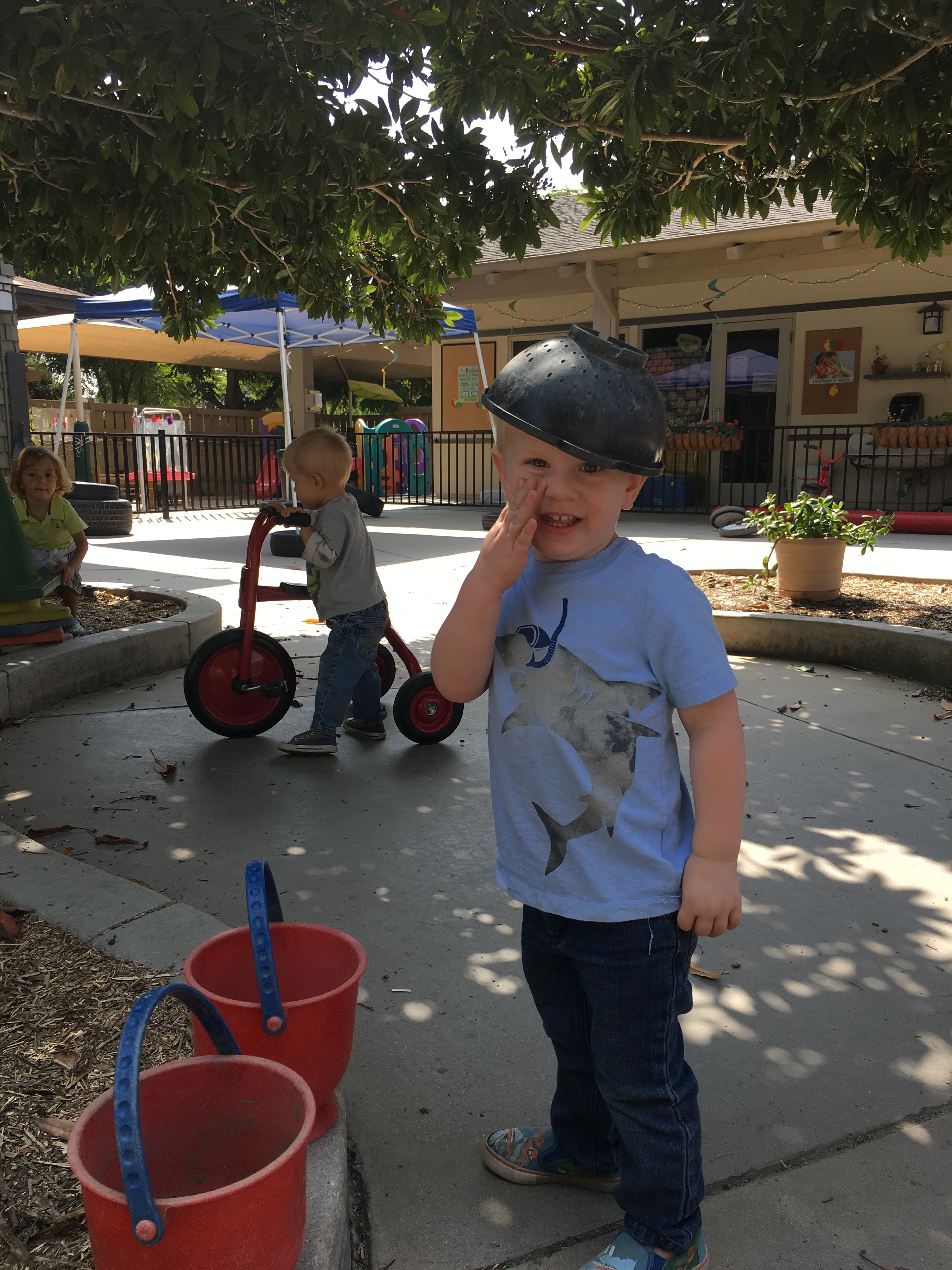
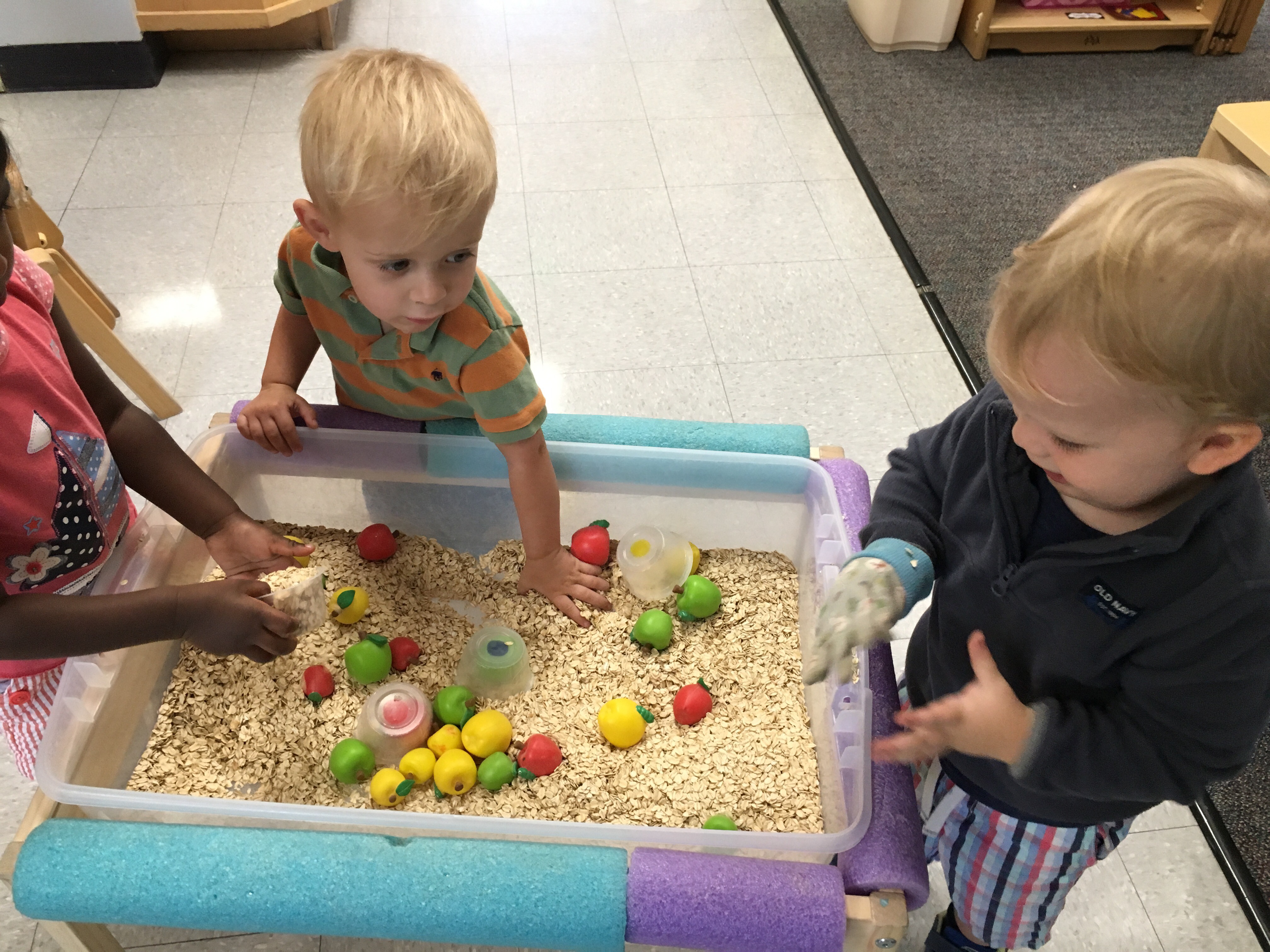
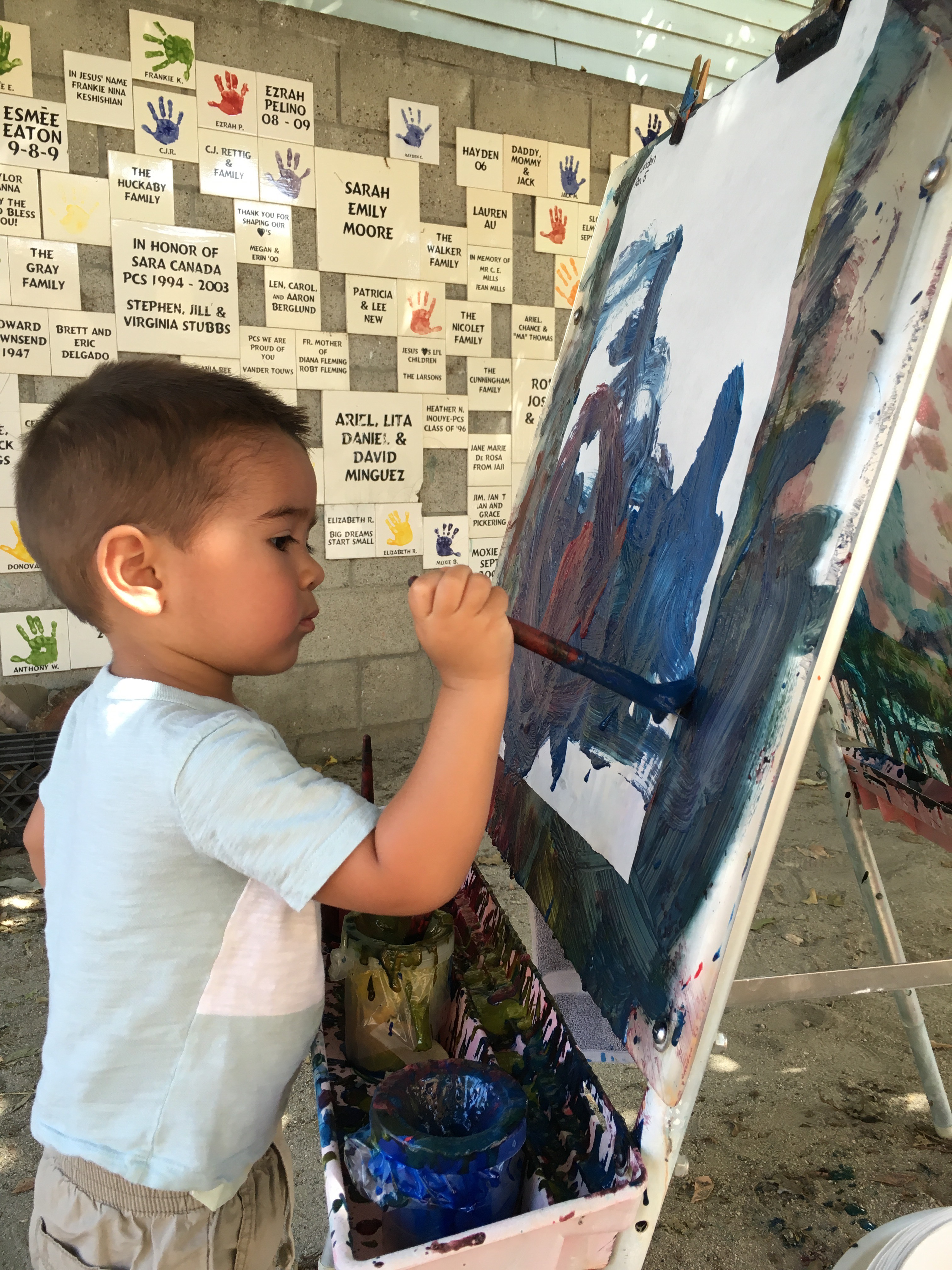
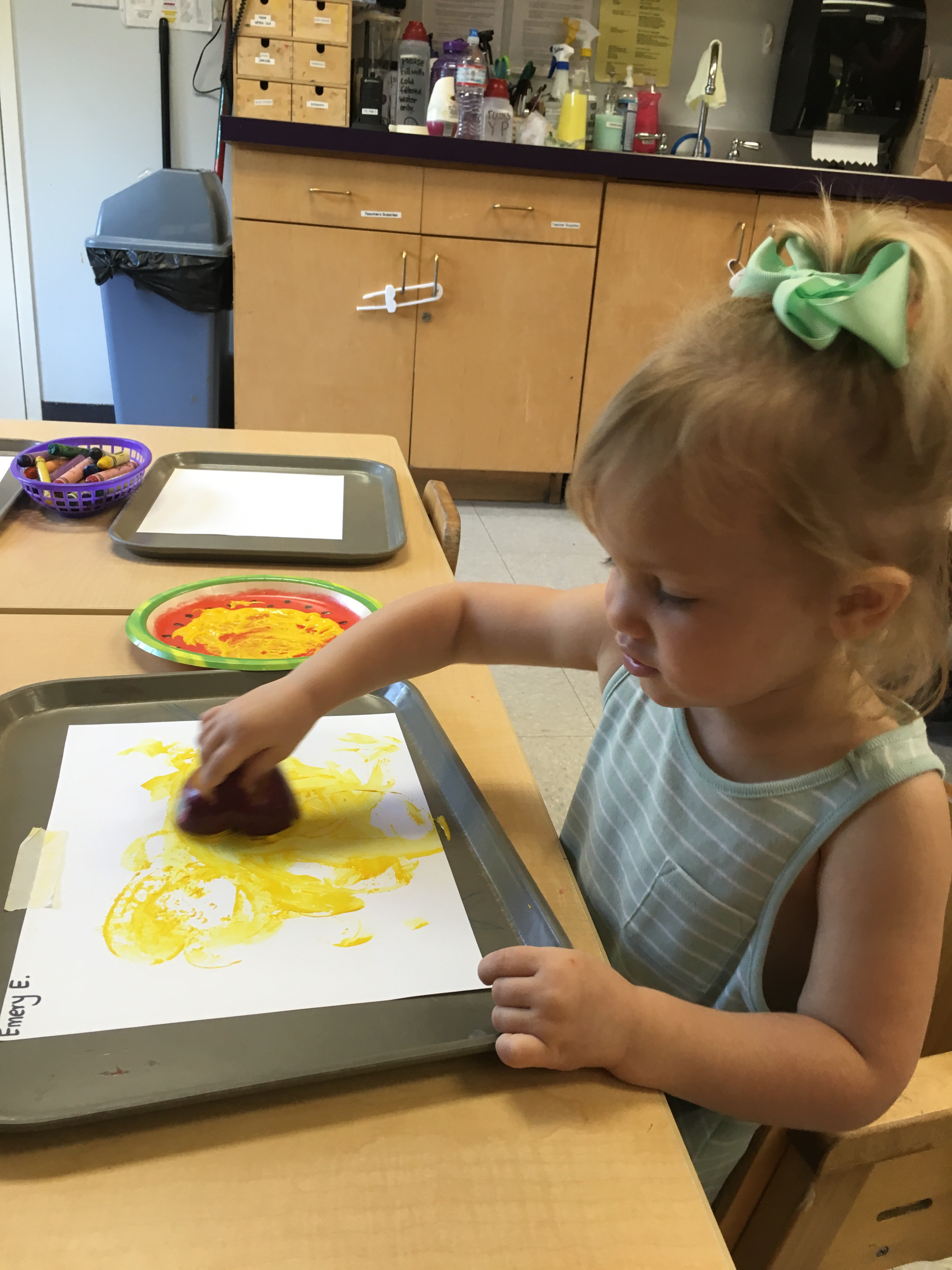
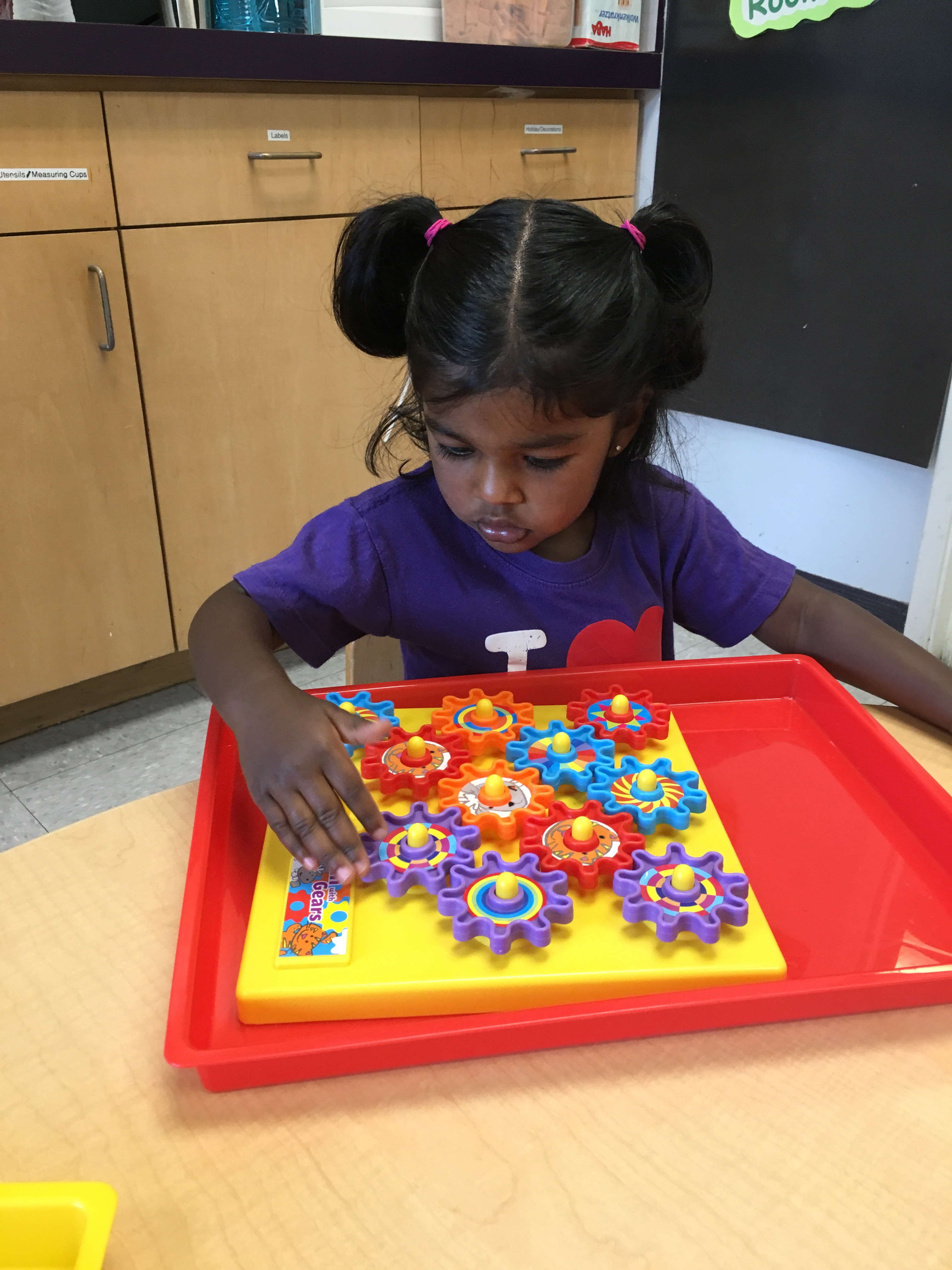
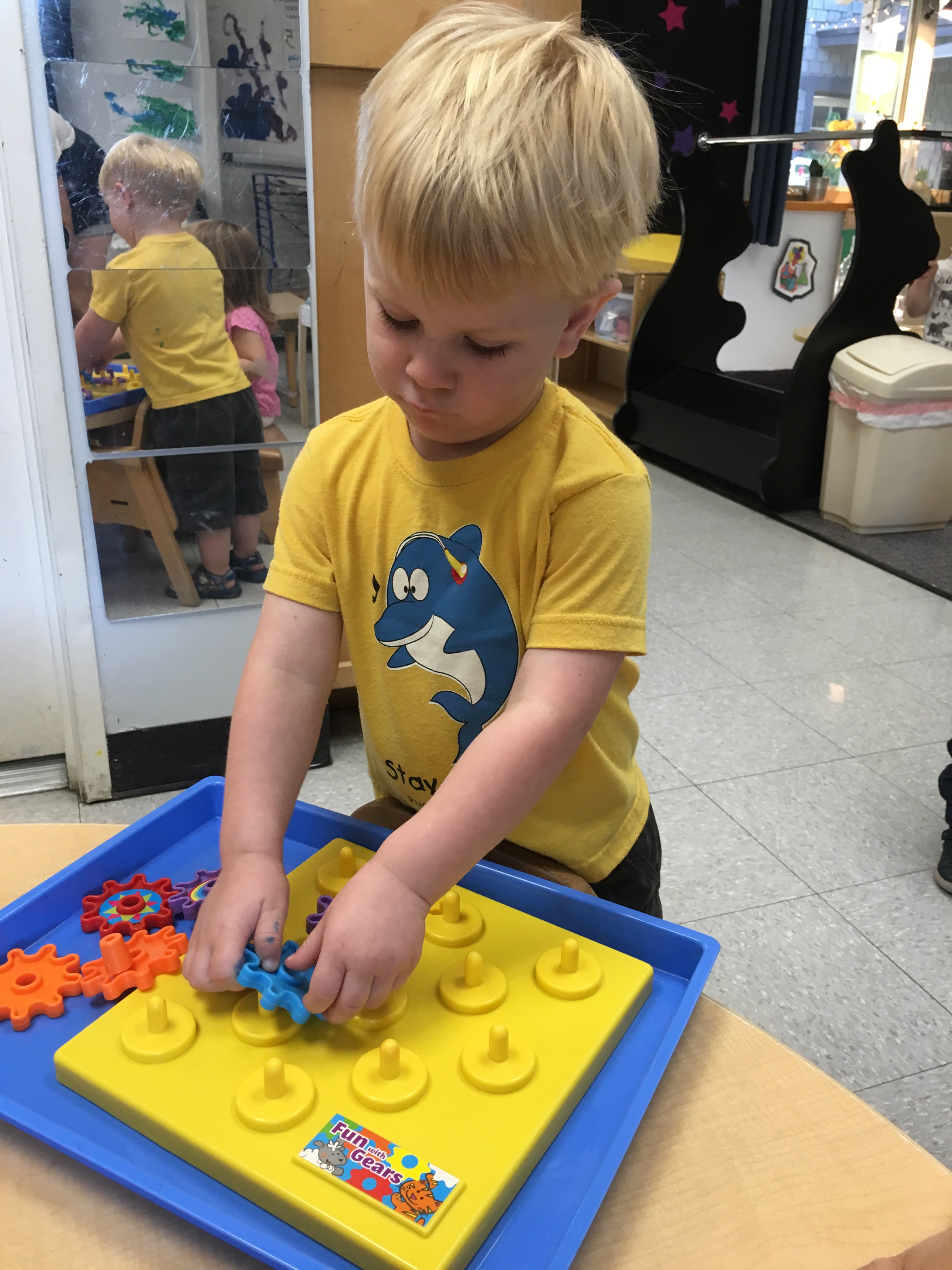
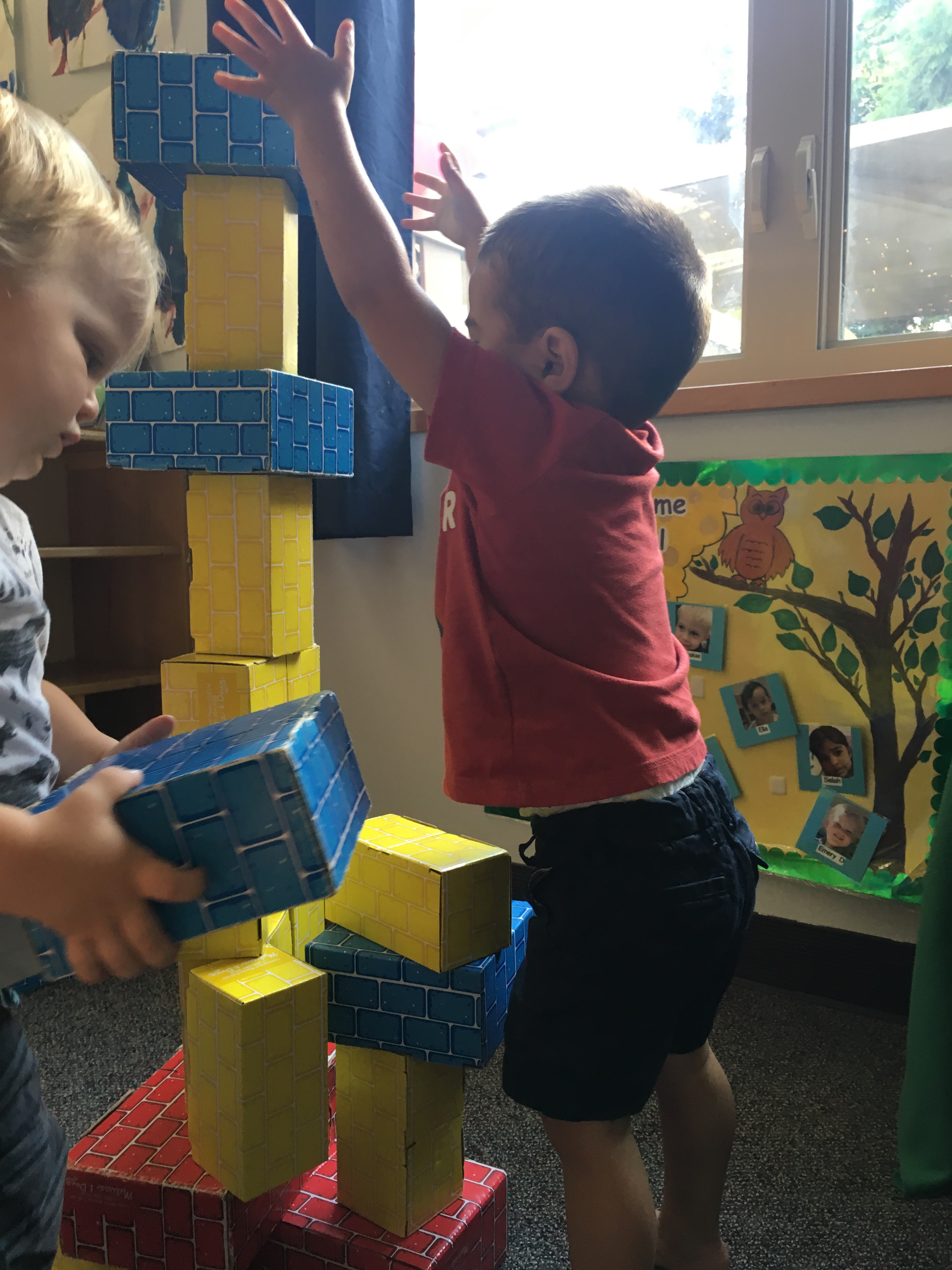
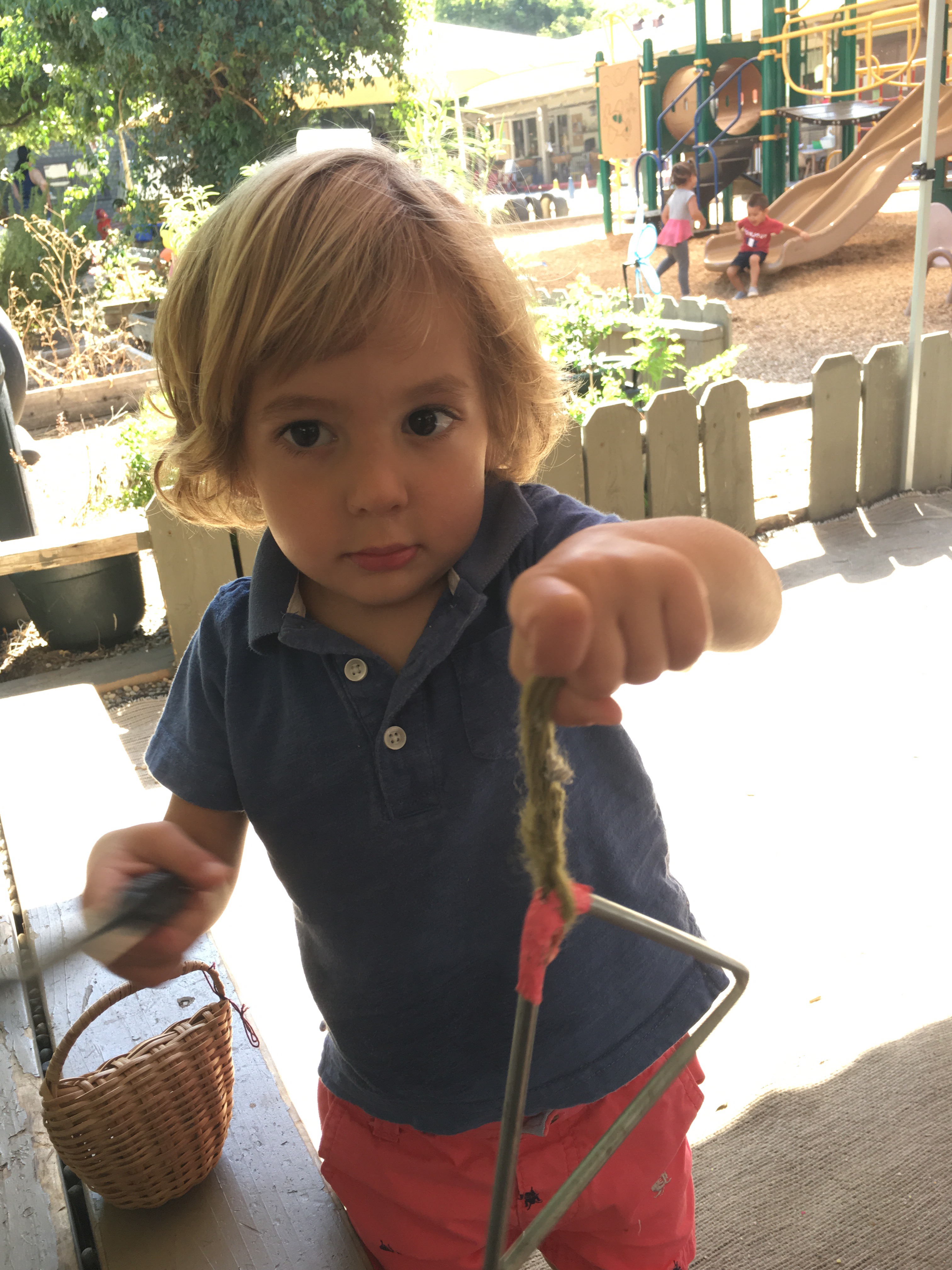
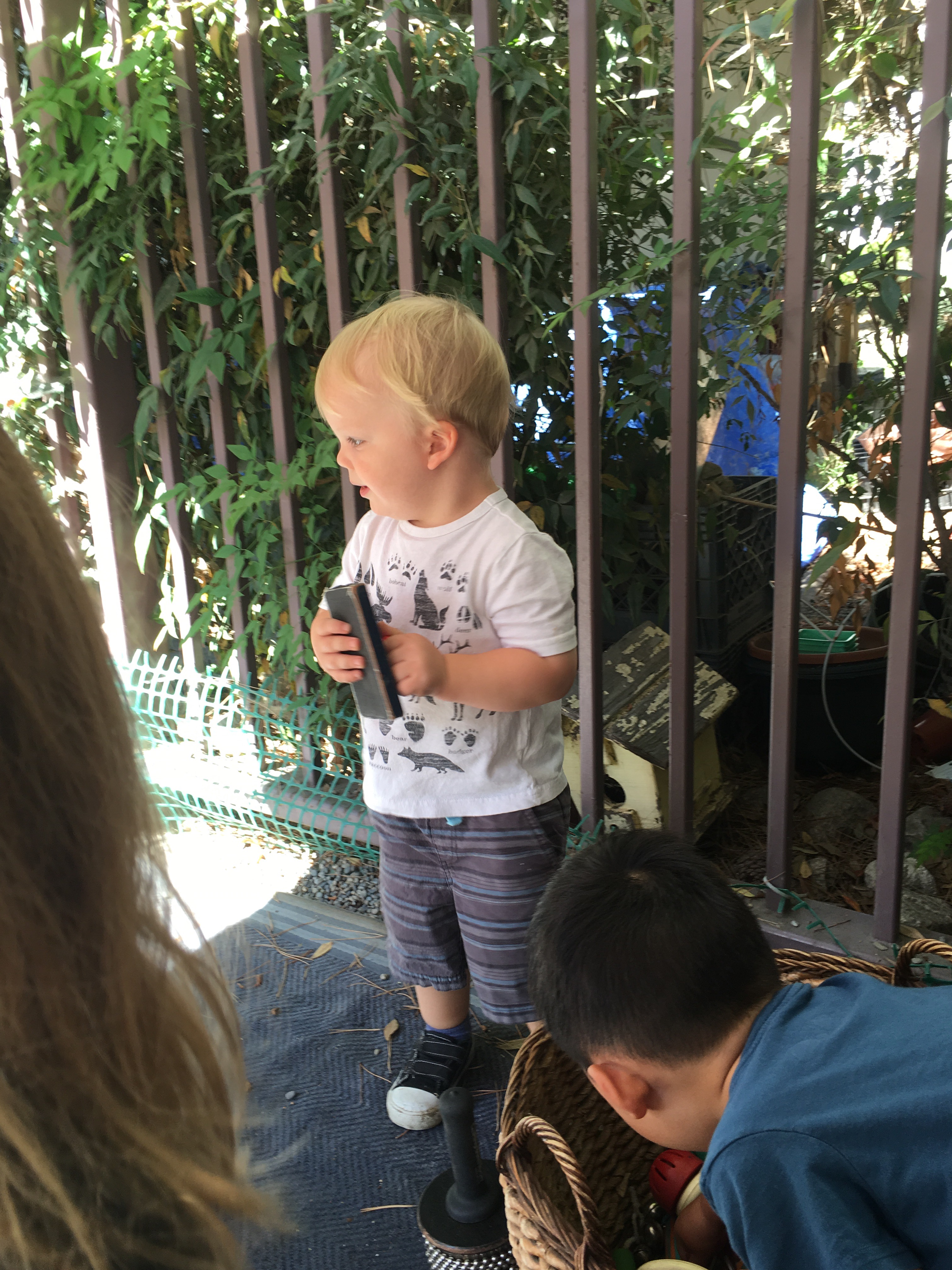
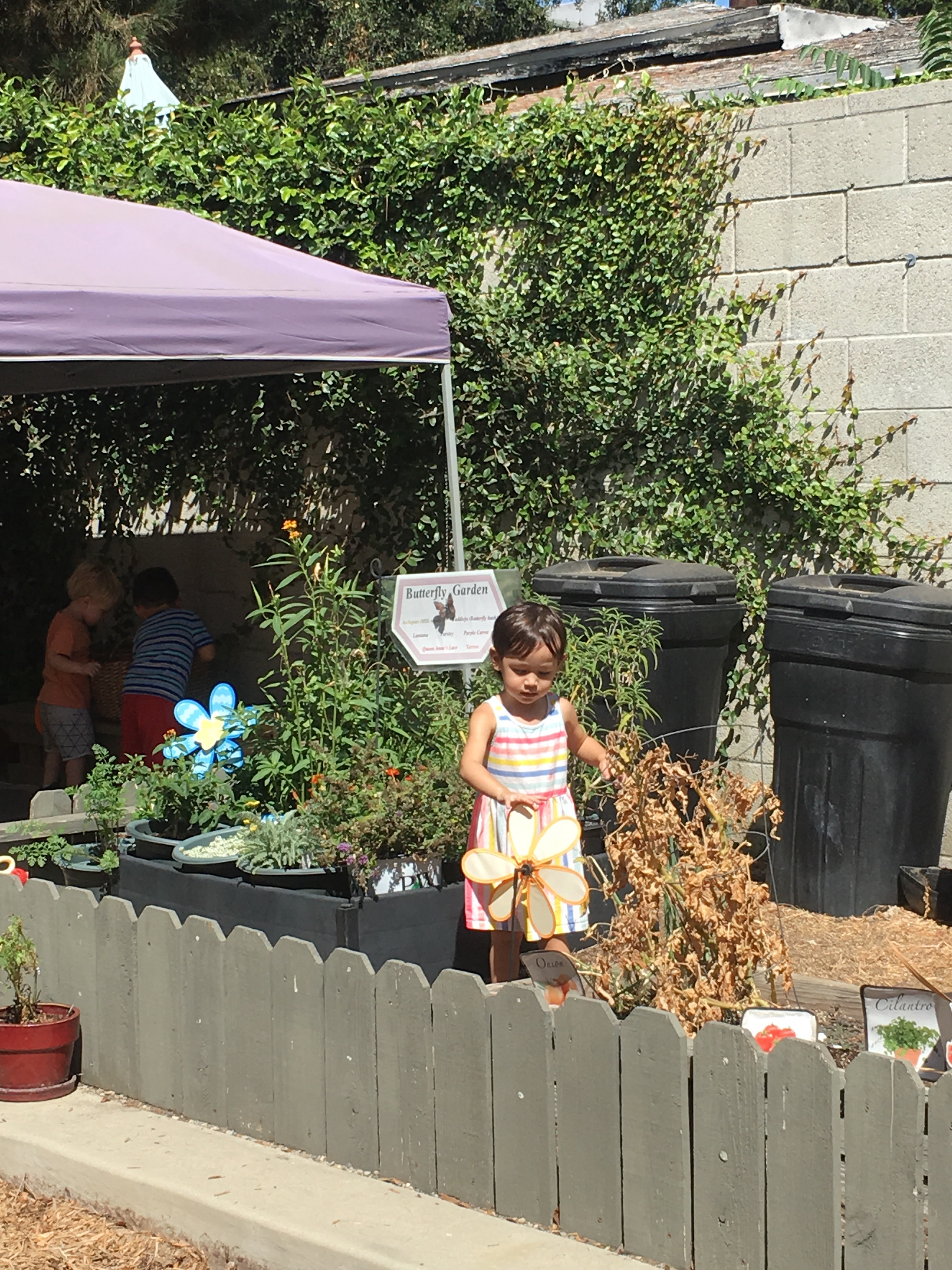
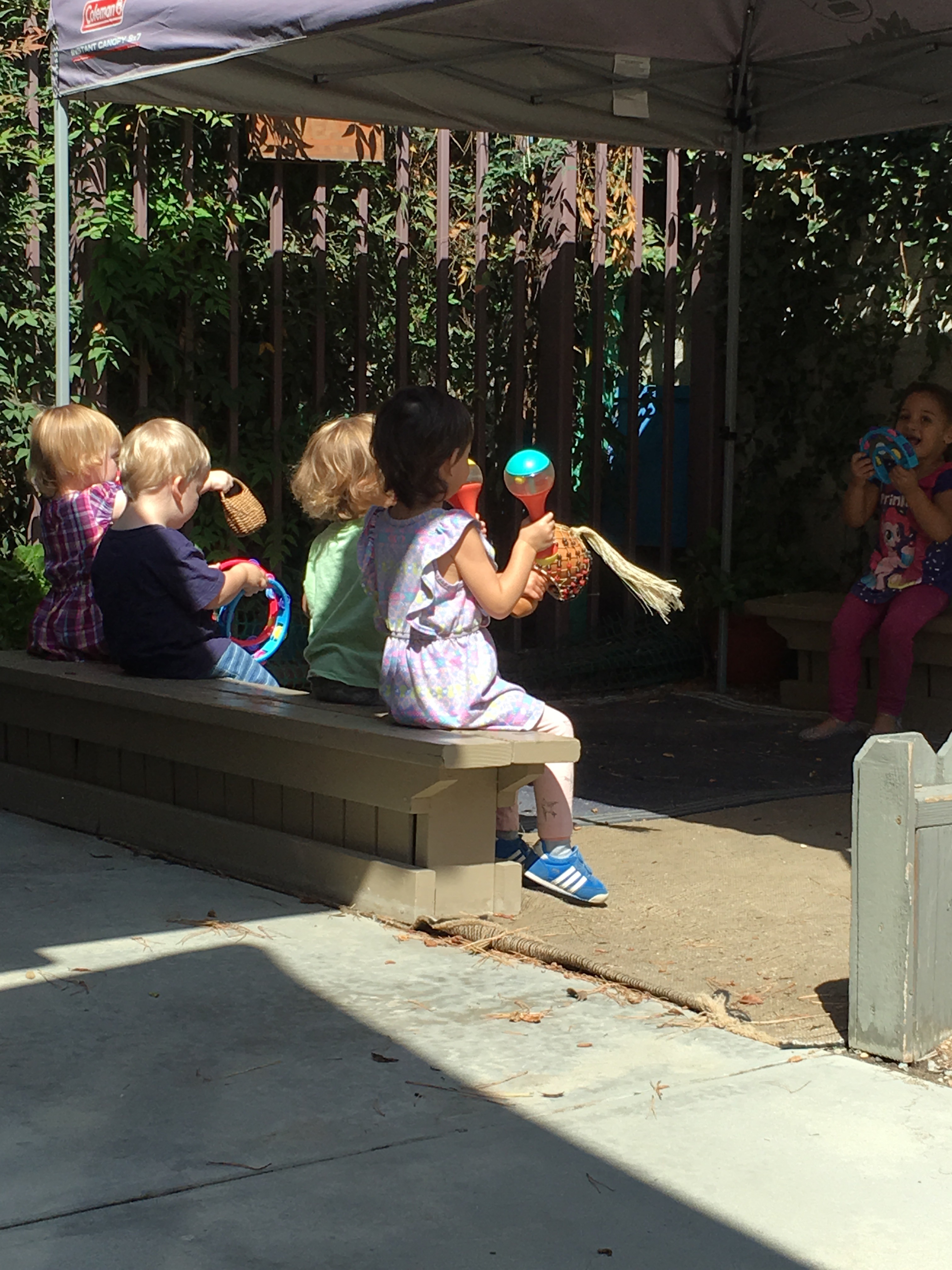
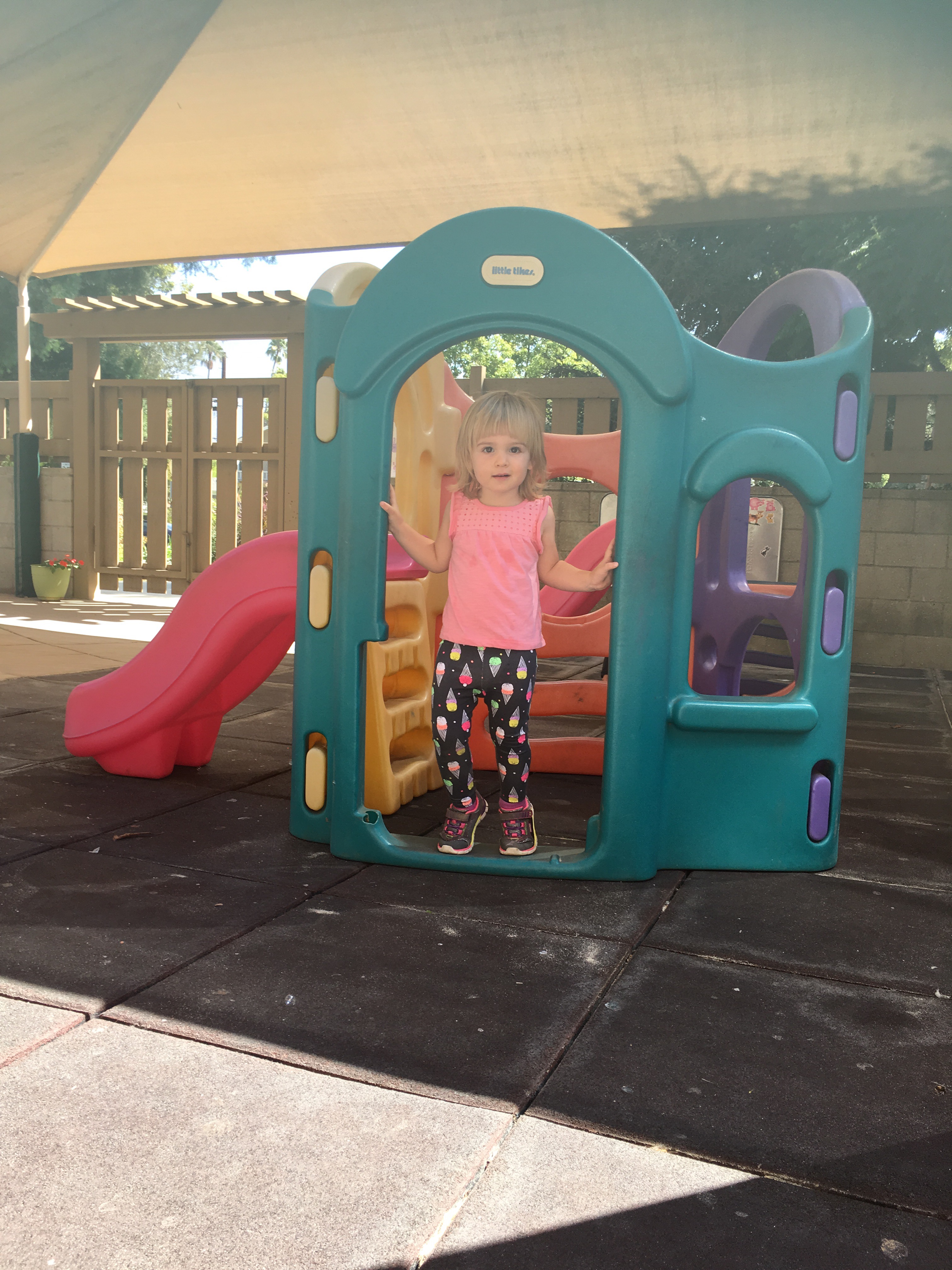
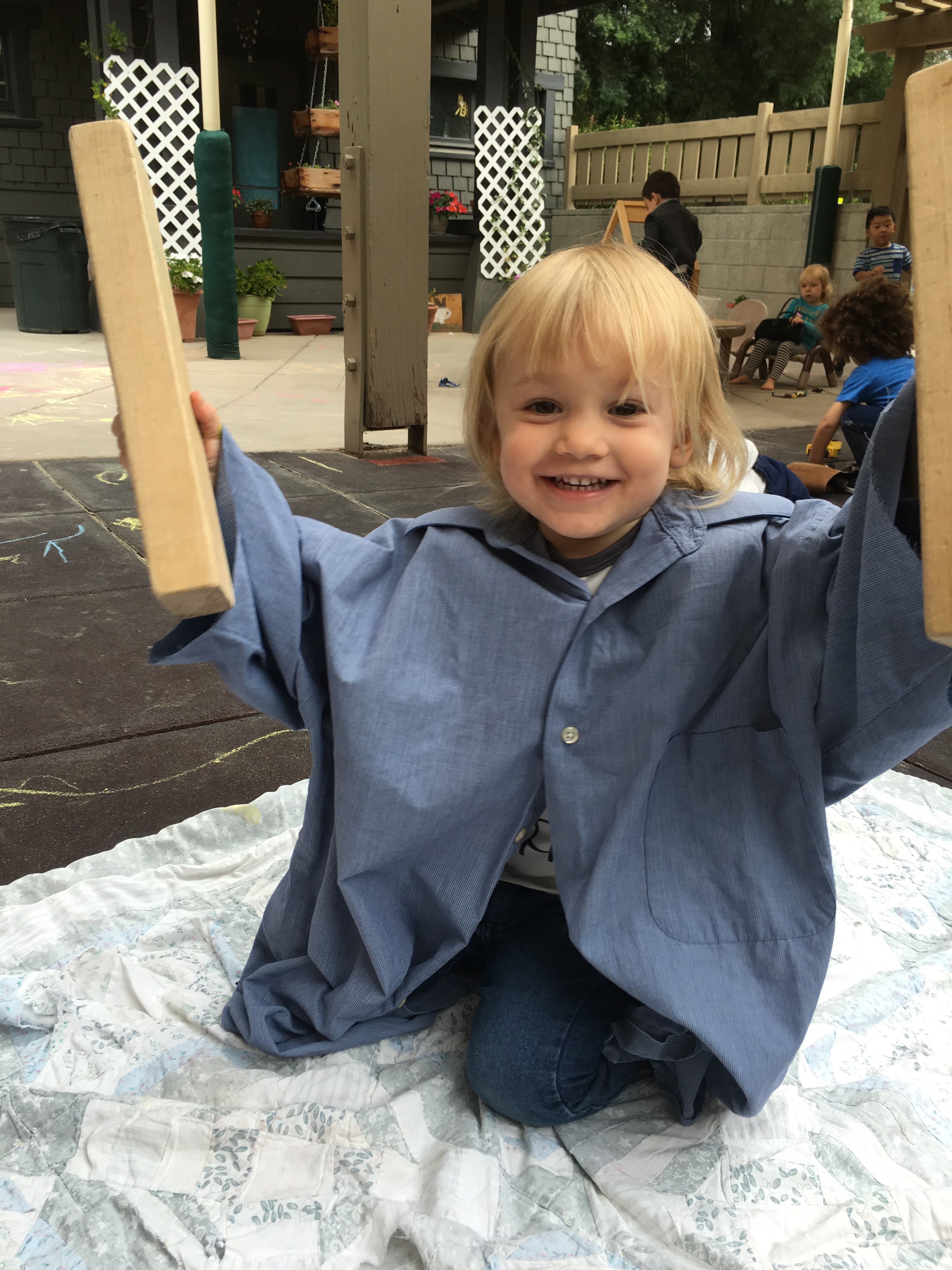
Welcome to Room 3! It’s the end of the first week of school and the fun has just only begun. As the children become accustomed to their new environment, their willingness to have fun and explore their room and school will begin to surface. Right now, the children are enjoying the myriad of activities and toys inside the classroom and outside. Please look forward to the other exciting activities and events that we have in store for the children as the year goes on.
Category: Home
Painting Elmer The Elephant
In the art studio this week we looked at the story “Elmer The Elephant,” by David Mckee. This book has agreat message: although we may all look different, we all have the same hearts and feelings. It also reminds us that we shouldn’t exclude those who are different. It celebrates in a beautiful way individuality. Although God made us all to look different, we all come from the same creator. What a great reminder to start the new school year. YAY!
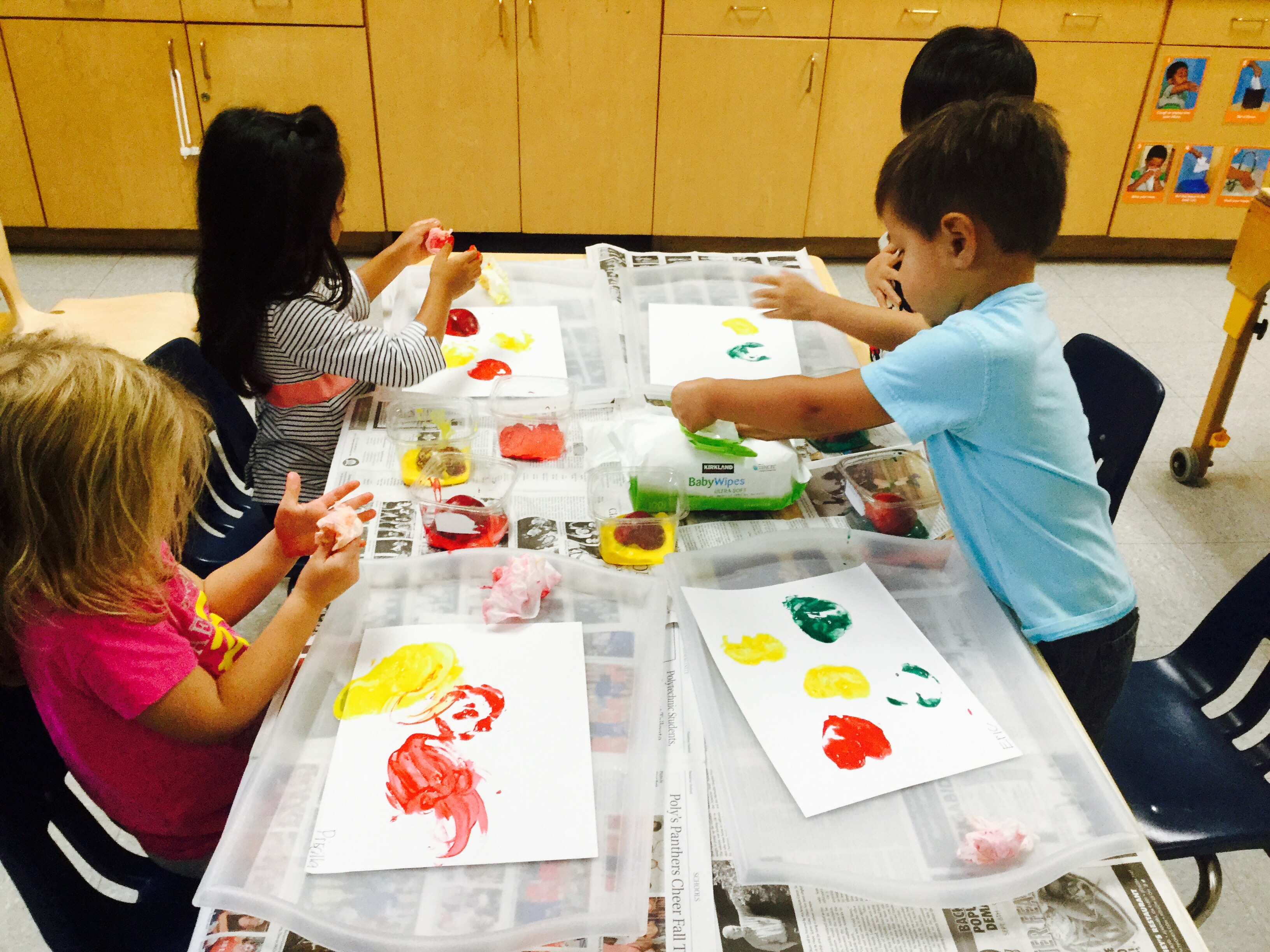
The children then learned about patchwork and painted their very own “Elmer” using sponges as a painting tool.


Nature in the Classroom
Play is an essential area of development as children grow, especially during early childhood. Through play-based activities children are allowed opportunities to enrich cognitive skills, physical development, language, and social skills. With the help of appropriate materials, children can continue to develop these skills in the classroom. The use of natural materials in the early education classroom helps enhance the relationship children have with their environment. Natural elements encourage curiosity within the environment and expose children to build connections with living things around them.
Such materials include:
Wood blocks
Sand
Water
Rocks
Pinecones
Plants, flowers, gardens
Wood chips
Sea shells
Natural materials also serve as open materials in which children can further explore. Teachers can use these materials for open-ended activities in the classroom. As children continue to become interested in materials, teachers can continue to build on the activities. Teachers can plan and expand using these open-ended materials to create new opportunities for exploration as well as learning.

Author: Jessica Panameno, CSULA Child Development Intern
The Benefits of Sleep in Early Childhood
Ever felt moody, physically drained, or unable to concentrate the following day because of lack of sleep? Similarly, children who are sleep deprived experience similar symptoms, which often affects their ability to learn and retain new information. In general, adults only require about 7- 8 hours of sleep every night in order to feel well rested. Dissimilar to adults, children between the ages of 2-5 need at least a minimum of 10-14 hours of sleep per day. To a growing and developing child, not getting enough sleep can have a negative and detrimental effect on their behavior, temperament, alertness, attention span, physical endurance, and physical growth. A decrease in sleep can also increase obesity and the chances of them developing sickness or illnesses. Establishing set bedtimes with relaxing bed time routines helps your child get the rest he/she needs to thrive.
Napping at School:
At Pasadena Christian Preschool we understand the importance of sleep and are aware of the enriching effects it can have on the mental and physical development of our students. Our teachers promote sleep during nap time by preparing the environment and setting the proper mood. Most classrooms have ‘twinkle’ lights within their classroom walls and turn them on when they turn off the regular classroom lights to avoid the classroom being too dark. In addition, our teachers also play soft music in the background to bring children into a calm and relaxed state of mind. Music playing in the background can be of soft ocean wave sounds or instrumental rhythms.We also encourage students to bring a favorite snuggly toy, a soft blanket and cot-sized pillow. Items such as these offer the comforts of home and help our little ones feel secure at school.
Our teachers know that when our students are well rested, they are more alert, less irritable, feel eager to learn, and perform to their fullest potential! So the next time you pass by our classrooms and see our sweet ones sleeping, remember that sleep is as fundamental to our children as good nutrition is for their overall health. As they sleep, our students are re-energizing and preparing their minds and bodies to continue exploring and learning about their world.
As we prepare for the new school year, be sure to switch from your ‘summer’ bed time routines to a a more established ‘school’ bed time routine before the first day of school so that your child is prepared, well-rested and ready for the fun in store!
Author: Marisol Rivera, CSULA Child Development Intern
Preschool Calendar 2016-2017
Following is the general calendar for our school year, including most of our holidays, school closures, and major events.
August 14 – New Family Picnic
August 18 – New Parent Orientation Night, 7:00pm (for adults only, no children)
August 22 – Classroom Welcome & Handprint Party – 9:00 a.m. – 11:00 a.m. (Drop-in)
August 23 – First day of School
September 5 – Labor Day – School Closed
September 9 – Back to School Night – 7:00pm (for adults only, no children) – this is a MINIMUM Day (dismiss at 12:00)
October 14 – Moonlight Magic!
October 28 – Parent Conferences; School Closed
November 4 – Professional Development Day; School Closed
November 12 – Fall Festival
November 21 & 22 – Stone Soup Celebrations
November 23-25 – Thanksgiving Break; School Closed
December 9 – Grandparents’ Day; Minimum Day
December 22 – January 6 – Christmas Break (school resumes on Monday, 1/9)
January 16 – MLK Day; School Closed
February 3 – Moonlight Magic!
February 20 – Presidents’ Day; School Closed
April 14 & 17 – Easter; School Closed
April 21 – Moonlight Magic & Golf Auction
April 28 – Open House; Minimum Day
May 25 – Preschool Promotion Ceremony – Minimum Day
May 26 – Last day of school. Minimum Day. Have a great summer!
June 5 – Summer Camp Begins
Sailing Away
🐳 Under The Sea 🐬
We had a whale of a time in Room 2! The children explored under the sea through art, literacy and song. Through media, we saw the book “Rainbow Fish” come to life; then, through art, we created our own.


We also read and heard the CD story of “There’s a Hole in the Bottom of the Sea.” The book illustrates the food chain in the ocean and sequencing in a very catching way!
The children got very wet this week through our waterplay activities. On Tuesday, we had wading pools and a sprinkler. On Friday, Pump and Splash brought their fantastic pumps and water barrels. But I think their favorite game was “Get the Teachers Wet”!


Wednesday we learned about how God Calms. This week’s chapel was presented by Room 5 teachers. The children look forward to dancing and seeing “Snappy” the crab.


We had a fun field trip to the Monrovia library for a storytime and fun in the park. We got to also enjoy some yummy Yogurtland frozen yogurt. See previous post.


We ended the week with an under the sea pizza party. I can’t believe we only have one more week in our summer program. Time flies when you’re having fun! Can’t wait to see what adventures we will have next week before we sail away for vacation!
Story time at the Monrovia Library
Today Room 2 and Room 3 took a fun filled trip to the Monrovia Library for a special storytime. We got to sing lots of songs and read fun books like Bad Dog Max! and Stretch. We also got to dance and play with bubbles!


After all our great stories we went to the playground right next to the library and had a great time with all of the play structures.
Climbing is so much fun!


After we played for awhile we sat down and had a wonderful picnic lunch and when we were finished with our food we all got to have frozen yogurt from Yogurtland!


We finished up our delicious frozen treat and then played in the park a little more. We had foot races and played lots of little games in the park with Room 2 and Room 3 friends.
We had a great time and we want to thank all the wonderful parents for chaperoning our field trip! We couldn’t do it without you!
Moon Sand: A Fun Sensory Experience
During their early years, children engage in a variety of sensory activities. It is through these activities that children’s fine motor skills, among many other areas of development, are enhanced. One type of sensory activity that children often enjoy and have fun with is sand play. Through sand play, children explore their sense of touch and discover new textures. Because it is open-ended, sand play can also be very soothing to children. Children can simply enjoy the texture of sand as they run their fingers through it and also have the freedom to make whatever it is they desire. From pouring sand into buckets to building castles and running cars or plastic animals through it, children gain the opportunity to explore their imagination and creativity.
Teachers and parents can encourage children’s involvement in sand play both at school and at home. There are different types of sand that children can play with. One very cool and fun type is homemade Moon Sand (also known as cloud dough). Although there are a variety of ways to make it, moon sand can be made with two simple ingredients: flour and baby oil. By mixing these two ingredients, moon sand not only has a great scent but is also moldable, safe, and fun! Getting children involved in helping make the sand can also be enjoyable for them. Moon sand is an easy activity that parents can do with their children at home and most importantly, it is exciting and lots of fun!
Moon Sand Recipe:
- 8 cups of flour
- 1 cup of baby oil
- If desired, add powder-based colors (i.e. powdered tempera paint or powdered drink mix)
How to make it:
- Pour the flour into a large bowl.
- Add any powder-based color into the flour and mix it.
- Add the baby oil to the flour and mix all the ingredients together.
- When the sand feels soft and moldable, it is ready to be used.
- Store the moon sand in air-tight container and it should last up to a month (add more baby oil if it dries up.)
Children in Room 4 having fun while playing with homemade moon sand:
Author: Adriana Gonzalez, CSULA Child Development Intern
Helping Children Calm Down
All kids can have a hard time regulating their emotions and for some it can be tougher than others. As children get older, there could be numerous causes for their emotions and at times, it may seem like there’s no one cause at all. These five calming tools can help children (and parents!) in any situation.
Count to 5
This simple tool gives young children who are learning about impulse control a chance to stop and think before they act out their anger.
Take a deep breath
This relaxation technique can help children calm their bodies quickly.
Acknowledge feelings
Children need the validation that their feelings are important as well. Understanding and listening to the cause of their emotions can help address the situation.
Listen
Taking the time to listen to their feelings and perspectives not only helps the child feel
better but gives you, the parent, a better insight to the person they are becoming.
Ask for a hug
Most of the time, it’s something as simple as a hug that can make everything better.
Author: Joyce Olaer, CSULA Child Development Intern